Get Full Government Meeting Transcripts, Videos, & Alerts Forever!
Get email alerts on the Fire Overtime topic
No spam. Unsubscribe anytime.
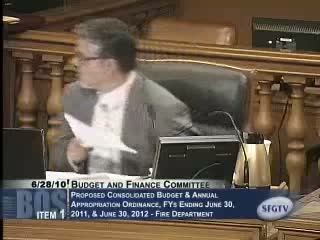
Budget panel trims SFFD overtime by $550,000 after budget analyst and department present differing calculations
Summary
After an extended exchange over methodology and minimum-staffing risks, the committee voted 4'1 to accept the budget analyst's recommendation to reduce the Fire Department's overtime budget by $550,000, with supervisors cautioning about the potential need for a supplemental appropriation if services are strained.
The Budget & Finance Committee voted to reduce the Fire Department's proposed overtime budget by $550,000 for FY2010'11 after a lengthy hearing that highlighted differing calculations between the budget analyst and fire department finance staff.
Budget analyst Stefan Campbell told the committee that a multi-year review of overtime spending, potential MOU wage adjustments and anticipated reductions in equipment-related overtime supported a recommended overtime need of about $18.9 million, implying a recommended reduction of $550,000 from the department's requested amount. Campbell said his office's review accounted for current-year salary savings and other adjustments.
The Fire Department's finance representative, Mark Corso, and Chief Hayes White (testimony in transcript) disputed the budget analyst's approach, saying certain savings had already been incorporated in the mayor's submission and that retirements and minimum-staffing requirements have shifted costs into overtime. The department warned that if adopted cuts exceed safe margins, it may need to request a supplemental appropriation or consider operational adjustments. The department also noted that the new MOU language tying wage concessions to minimum staffing under Proposition F complicates organizational deletions.
Supervisors probed both sides for reconciliations of the calculations; some said they remained concerned about the risk of brownouts or service impacts while others argued the department had opportunities for additional internal savings. Chair John Avalos said the committee would adopt the budget analyst's recommendation now but reserved the right to revisit the issue if new evidence showed the cut would force service reductions. The roll call vote accepted the reduction 4 to 1.
What happens next: The department said it would remain vigilant and might request supplemental funding if operational needs required it; supervisors asked the controller to help mediate and confirm numbers if necessary.