Get Full Government Meeting Transcripts, Videos, & Alerts Forever!
Get email alerts on the Victim Services topic
No spam. Unsubscribe anytime.
City agencies summarize long‑term supports after Hertz Playground shooting
Summary
Officials described coordinated multi‑agency responses to the June 2014 Hertz Playground shooting: outreach and counseling for roughly 64 affected students, ongoing social‑worker contacts, recreation programs, infrastructure changes, and plans for anniversary events and continued services.
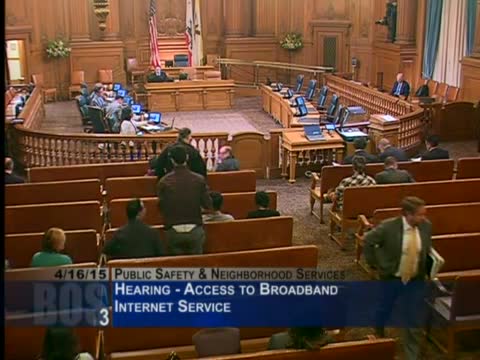
City agencies told the Board of Supervisors’ Public Safety Committee on April 16 that multi‑agency efforts following the June 27, 2014 murder at Hertz Playground have provided ongoing mental‑health, school and community support to affected youth and families.
Diana Olivier Rocha from the Mayor’s Office summarized Street Violence Response Team (SVRT) activities, which included immediate crisis response, town halls, coordination of policing and probation checks, and seven strategic areas: coordination, enforcement, social services, education/support, recreational interventions, community engagement and environmental improvements. Agencies worked with local nonprofits including TURF (Together United Recommitted Forever), the Boys & Girls Club and community partners to deliver services.
San Francisco Unified School District officials said 64 students linked to the incident were identified; 43 were reached for on‑site services and received an average of eight hours of support from school social workers and nurses, with additional parent contacts, mediations and restorative practices. SFUSD described training for school staff in trauma‑informed practices and ongoing coordination with community behavioral‑health providers.
The Department of Public Health reported crisis debriefings, embedded behavioral‑health staff at community sites, a grief group and increased staff at the Sunnydale wellness center; the department also described nontraditional outreach (home visits and community activities) to reach residents who might avoid formal mental‑health settings.
The District Attorney’s Victim Services Division said it mailed outreach letters and can provide victims’ compensation and relocation, counseling and burial assistance; the office said it struggled to contact many families and is working to station advocates in the community to improve outreach.
Agencies described infrastructure enhancements at Hertz (clubhouse improvements, resurfaced courts, guardrails) and summer programs, and said they will plan an anniversary 'celebration of life' event and continue drop‑in and recovery services in Sunnydale. Supervisor Malia Cohen asked departments to continue coordinated services and consider staffing and resource needs to sustain long‑term supports.
Next steps: Agencies will continue SVRT coordination, target culturally competent outreach, and report back to the chair as additional anniversary planning and summer programming are finalized.