Get Full Government Meeting Transcripts, Videos, & Alerts Forever!
Get email alerts on the Rec Park topic
No spam. Unsubscribe anytime.
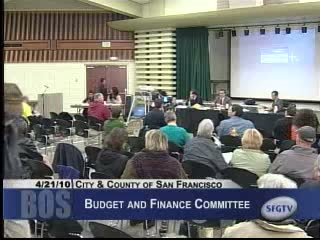
Heated public debate over proposed nonresident fee for SF Botanical Garden divides neighbors, unions and volunteers
Summary
Rec & Park's proposal to charge a nonresident admission fee for the San Francisco Botanical Garden prompted hours of public comment: proponents (garden staff, some donors and volunteers) say fees are needed for collection care and education; opponents (neighbors, unions, advocates) argue fees will restrict access and allege the society prioritized capital projects and lobbying over long‑term operations.
The Committee heard an extended public discussion of the Recreation & Park Department's FY2011 budget, with the Botanical Garden (Arboretum) nonresident fee the single most contested item. The department and the Botanical Garden Society presented financial projections that showed a nonresident fee could raise an estimated $250,000–$450,000 annually under one scenario; Rec & Park said that figure would offset baseline cuts and preserve gardeners and programs.
Why it matters: The Botanical Garden is a 55‑acre specialized plant collection within Golden Gate Park used for education, research and community programs. Opponents argued a fee would create a permanent precedent that could lead to resident charges and restrict access for children, seniors and low‑income residents; they also raised questions about the Society's fundraising priorities and the use of private funds for capital projects.
Key public claims and responses: Opponents repeatedly said the Botanical Garden Society had spent on capital pathways and lobbying rather than preserving operations; supporters said the Society already funds gardeners, youth programs and capital improvements and that voluntary philanthropy and other revenue streams have been exhausted in the current market. Director Phil Ginsberg and Society Director Michael McKechnie answered questions about projections, gate logistics, exempting residents and school groups, and alternatives such as concerts, retail and parking changes.
Process and next steps: The committee did not adopt a fee; Rec & Park indicated the ordinance or fee proposal would return to Budget & Finance (anticipated in mid‑May) and that the department remains open to further refinements, exemptions and community input. Several supervisors signaled concern about resident access and asked for clearer, independently verified revenue estimates and a plan that protects neighborhood use.
Ending: The debate highlighted tension between preserving a world‑class botanical collection and maintaining open public access; supervisors asked staff and the Garden Society for better financial transparency and alternative revenue scenarios ahead of any final action.