Supervisors advance tighter rules for hotel conversions after wide public support
Loading...
Summary
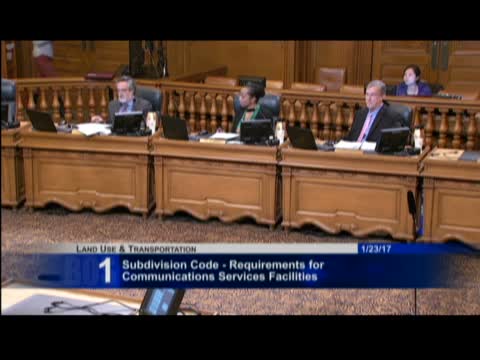
The committee advanced amendments to the Hotel Conversion Ordinance to tighten definitions, require more detailed reporting, and strengthen enforcement to protect single‑room‑occupancy (SRO) housing. Supervisor Aaron Peskin moved the item to the full Board as amended after extensive public testimony from tenants, advocates and DBI.
The Land Use & Transportation Committee considered amendments to Chapter 41 of the Administrative Code (the Hotel Conversion Ordinance, or HCO) aimed at closing loopholes that allow residential guest rooms in single‑room‑occupancy (SRO) hotels to be converted effectively into tourist or short‑term uses.
Supervisor Aaron Peskin, the measure’s lead sponsor, opened the hearing with a historical overview of SRO protections and the wave of demolitions and conversions that reduced SRO stock over past decades. Peskin credited community coalitions and DBI staff for helping craft changes and asked DBI housing staff to present enforcement and reporting proposals. Presenter Rosemary Boskey (Chief Housing Inspector referenced in testimony) said the amendments would modernize recordkeeping and reporting, tighten the definition of tourist use and residential guest rooms (raising the residential threshold from seven days toward a 32‑day standard), and update in‑lieu fee formulas used to fund replacement housing.
Public testimony ran for more than an hour. Tenants, neighborhood advocates, SRO collaboratives and nonprofit legal clinics described outreach findings that hotel annual reports often understated tourist occupancy and cited examples where front‑desk statements and online listings contradicted official filings. Maria Aviles of the Mission SRO Collaborative told the committee, “My worry as an outreach worker in these hotels is that in these times, we're seeing that we're losing a lot of these hotels for families' use,” reflecting a common theme of speakers who asked for stronger enforcement and higher replacement fees. Tenderloin Housing Clinic director Randy Shaw told the committee the internet has made short‑term tourist rental schemes more prevalent and argued the ordinance must close that loophole.
Supervisor Jeff Sheehy and Chair Malia Cohen added their names as co‑sponsors during the hearing. After the testimony, Supervisor Peskin offered a technical amendment to a line on definitions and then moved the ordinance, as amended, to the full Board with a recommendation and a hearing date. The chair accepted the motion "without objection," and the item will appear on the Board agenda for further consideration.
Next steps: the ordinance has been referred to the full Board for a public hearing where the revised definitions, updated in‑lieu fee benchmarks, and enforcement provisions will be considered and potentially adopted into law.