Get Full Government Meeting Transcripts, Videos, & Alerts Forever!
Get email alerts on the Hotel Conversion topic
No spam. Unsubscribe anytime.
Supervisors advance ordinance to limit conversions of large tourist hotel rooms to condominiums
Summary
The Rules Committee on Sept. 16 moved forward an ordinance to reinstate restrictions on converting rooms in large tourist hotels into condominiums, remove a prior sunset and set a process for limited conversions once inventory targets are met; hotel workers and Local 2 urged the board to protect jobs and benefits.
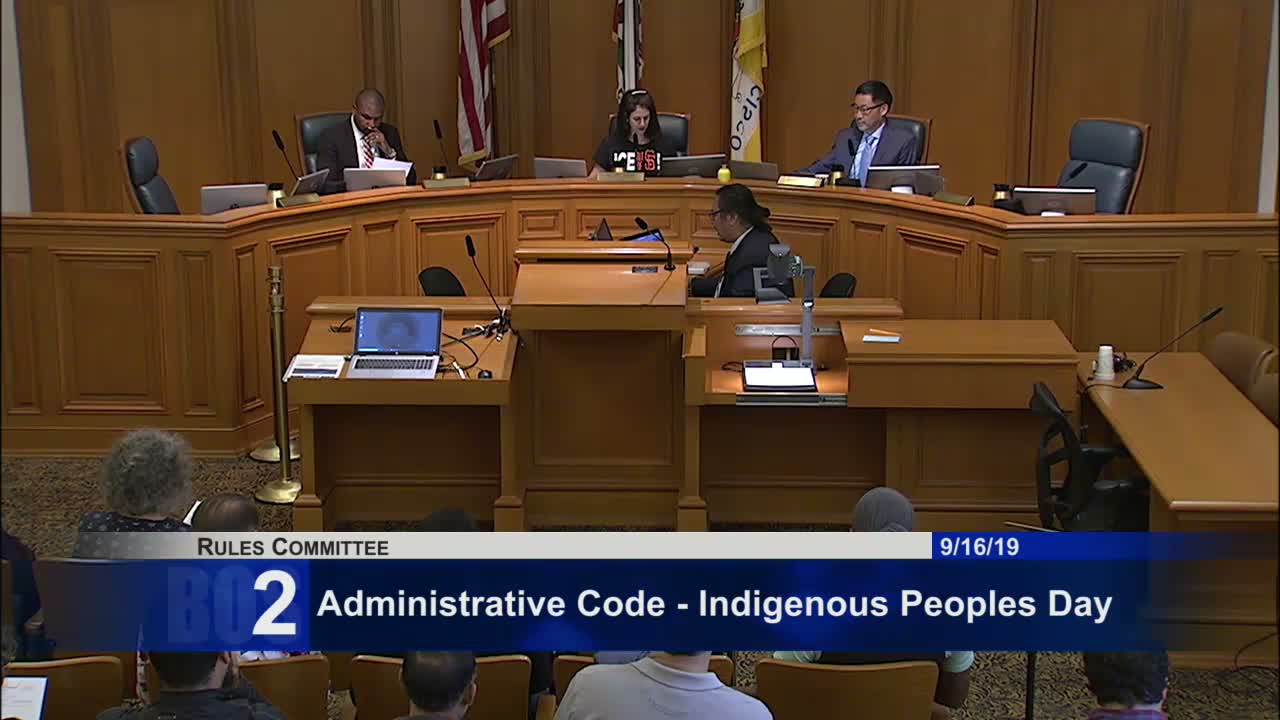
The San Francisco Board of Supervisors Rules Committee on Sept. 16 voted to accept amendments and forward an ordinance that would reinstate limits on converting rooms in large tourist hotels to condominiums and delete a previous sunset provision.
The ordinance, described by sponsors as a reenactment and update to chapter 41f of the administrative code, would restrict conversions in hotels larger than 100 units and establish a process — to be presided over by the Planning Department — for limited conversion only after the city reaches a baseline inventory of 40,000 large tourist hotel rooms. Supervisor Chris Peskin, who introduced amendments, said the changes would preserve the tourism sector and protect hotel jobs.
Labor supporters and hotel employees told the committee the ordinance is needed to prevent layoffs and loss of health benefits. "I'm a single mom, I have 2 kids. If I lose my job, my health benefit, how can I raise my 2 little kids?" said Nicole, a hotel worker who testified in favor of the protections. Workers from the Fairmont Heritage Place, Westin St. Francis and the Omni Hotel described decades of employment in the city and warned that conversions would remove living-wage jobs.
Cynthia Gomez, research analyst for Local 2, provided economic context in support of the ordinance. She said tourism spending in the city was approximately $10,010,000,000 in the prior year, conventions accounted for about $700,600,000, and that transient occupancy tax revenue represents roughly 14% of San Francisco's general fund. Gomez told the committee citywide economic effects and jobs could be harmed if conversions proceed unchecked.
Committee members voiced unanimous support for the reenactment and for the amendments that would allow a narrowly defined conversion process only after the city's large-hotel inventory meets the threshold. Chair Supervisor Hillary Ronan and other supervisors asked to be listed as cosponsors. The committee approved acceptance of the amendments and forwarded the ordinance with a positive recommendation to the full Board without a recorded roll-call vote.
The committee record and testimony indicated the measure focuses on large tourist hotels and seeks to balance preserving the convention and tourism economy with a narrowly constrained path to any future conversions. The full Board will consider the ordinance on a later agenda.