Get Full Government Meeting Transcripts, Videos, & Alerts Forever!
Get email alerts on the Housing Preservation topic
No spam. Unsubscribe anytime.
Committee advances complex ordinance to require review before removing unauthorized housing units, duplicates file for further amendments
Summary
Supervisors advanced an amended ordinance that would require review (legalization or conditional‑use authorization) before removal of unauthorized residential units, accepted several amendments to streamline DBI screening and protect against undue liens, and duplicated the file so one version can be further amended in committee.
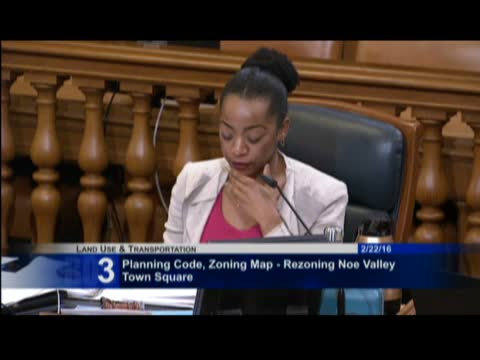
The Land Use and Transportation Committee on Feb. 22 advanced a wide‑ranging amendment to planning and building code provisions aimed at preserving in‑law and other unauthorized housing units in San Francisco.
Supervisor Ahsha Safai Avalos outlined six principal amendments: initial Department of Building Inspection (DBI) screening before requiring conditional‑use authorization to remove a unit; an exemption when imminent life‑safety hazards exist; deletion of a proposed reissuance requirement for unabated notices of violation; temporary suspension of NOVs while owners pursue legalization or a conditional‑use removal; rescission of NOVs and liens when legalization or removal is approved within one year; and a planning‑commission consideration of financial hardship when no city funding is available to assist legalization. Avalos also described potential follow‑up legislation to tap DBI and Prop C funds for legalization assistance.
The committee heard many public commenters: small property owners and trade groups raised concerns about retroactivity, rent‑control effects on single‑family homes, CEQA implications and the cost of legalization; housing advocates and the code advisory committee urged measures to preserve housing stock and recommended a differential approach for single‑family homes.
Supervisor Wiener proposed, and the committee accepted, an amendment to duplicate the file so one version can be kept in committee for additional changes (including a proposed increase of the compliance window to three years for an in‑committee version), and the committee forwarded the amended legislation to the full board with a positive recommendation. The committee noted that planning and building inspection commissions had reviewed earlier versions and that certain proposed changes (e.g., mandatory discretionary review instead of conditional use) would be circulated in writing and referred back to the Planning Commission as required.