Get Full Government Meeting Transcripts, Videos, & Alerts Forever!
Get email alerts on the Childcare Initiative topic
No spam. Unsubscribe anytime.
Committee files $140M 'Babies and Families First' childcare measure for June ballot
Summary
Supervisors filed a proposed commercial gross‑receipts tax to raise roughly $130–$140 million a year for early childhood education: priorities include removing 4,200 families from the wait list, raising provider wages and expanding subsidies to middle‑income families up to 200% AMI; proponents argued the measure addresses workforce retention and child development, while some supervisors raised ballot sequencing concerns with a competing housing measure.
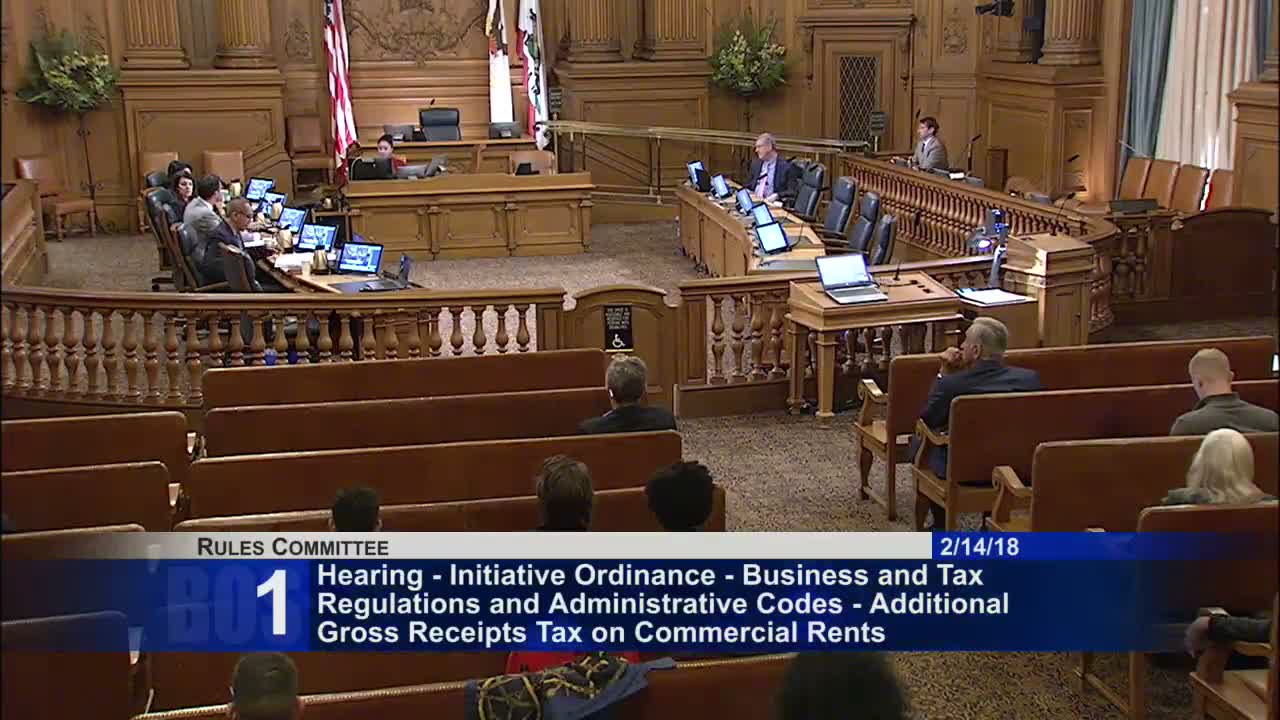
Supervisor Norman Yee and Supervisor Kim presented a commercial gross‑receipts tax proposal on Feb. 14 to fund early care and education in San Francisco, saying the measure would immediately serve families off the current wait list, increase subsidies for moderate‑income families and raise wages for early educators.
The initiative as described by sponsors would bring in roughly $140 million a year (controller estimate cited) and dedicate about half of the funds toward making childcare affordable for more families, including targeting the 4,200 families on the wait list now. The ordinance would raise subsidies up to 200% of area median income for some programs, invest in compensation for early childhood educators (the sponsors discussed aiming over time for parity with K‑12 salaries), and allocate 15% of revenue to the general fund to help support a Minimum Compensation Ordinance (MCO) priority.
Graham Dobson of the Office of Early Care and Education told the committee the measure aligns with the citywide ECE plan, that infants and toddlers represent the greatest unmet need and that increased compensation would help reopen classrooms now closed for lack of teachers. Supervisors asked about implementation: whether the city has the physical capacity and facilities pipeline to spend increased funds and how the city would sequence priorities (universal pre‑K vs targeted subsidies). Officials pointed to existing Childcare Facilities Fund resources and several nonprofit providers already planning expansions.
More than two dozen parents, childcare providers, unions and nonprofit advocates testified in strong support, describing long wait lists, low wages among providers (cited $26,000 average) and the link between accessible childcare, family economic stability and workforce participation. Several providers and advocacy groups said the measure is an equity priority that will help women of color and immigrant workers in the ECE workforce.
The committee filed the hearing for the childcare initiative without objection so the measure can proceed toward the June ballot. Sponsors and several supervisors urged follow‑up coordination with housing advocates so both priorities can advance in a way that avoids direct ballot conflicts.