Get Full Government Meeting Transcripts, Videos, & Alerts Forever!
Get email alerts on the Hospital Emergency Power topic
No spam. Unsubscribe anytime.
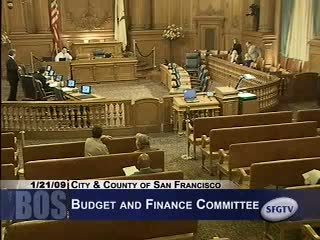
Public works seeks emergency contracting authority to replace aging generators at San Francisco General
Summary
Public Works asked the committee for emergency authority to design and build new emergency diesel generators at San Francisco General Hospital, citing increasing failures of the 1972 steam system and a one‑hour loss of emergency power the morning of the hearing; committee forwarded the emergency authorization with recommendation after questioning on timing, fuel source and procurement process.
San Francisco Department of Public Works Director Ed Riskin requested emergency design‑build contracting authority to replace the hospital's aging emergency power system, which he said was designed in the 1960s and installed in 1972. He told the committee the existing steam‑driven system has exceeded its expected useful life, has shown increasing frequency and severity of failures and this morning experienced a one‑hour loss of emergency power that would have left life‑support systems without backup in the event of a commercial outage.
Risk and justification: "For 1 hour this morning, San Francisco General Hospital was without emergency power," Riskin said, saying the current configuration requires one generator to run continuously to meet state pickup requirements and that a modern diesel system would reduce fuel, emissions and water use while enabling the hospital to meet state and federal regulatory expectations.
Process and timing: Supervisors asked why an emergency declared in February 2006 remained unresolved and pressed staff on design choices and financing. Riskin said negotiations with OSHPD and the lack of an agreed design and financing mechanism delayed action until now, and that a design‑build emergency contract would shorten what otherwise could be a multi‑year procurement given long lead times for generators.
Fuel source and environmental questions: Supervisors raised the city's green goals and asked why diesel was favored. Riskin said the team had evaluated alternatives but concluded diesel best met the operational, regulatory and on‑site storage requirements for emergency generation; he acknowledged community and policy interest in alternative fuels and said options had been examined.
Outcome: Committee members acknowledged the urgent operational need but expressed concerns about process and oversight; the committee forwarded the emergency contracting authority to the full board with recommendation and requested ongoing documentation and oversight on design, financing and environmental considerations.