Get Full Government Meeting Transcripts, Videos, & Alerts Forever!
Get email alerts on the Public Advocate topic
No spam. Unsubscribe anytime.
Rules Committee hears proposal for elected public advocate with subpoena and audit powers
Summary
Supervisor Campos presented a draft charter amendment to create an independently elected Office of the Public Advocate with authority to investigate complaints, issue subpoenas, perform audits and publish policy reports. Labor and some community groups supported the idea; the Controller estimated an initial cost of roughly $2.4 million per year and the item was continued for revisions.
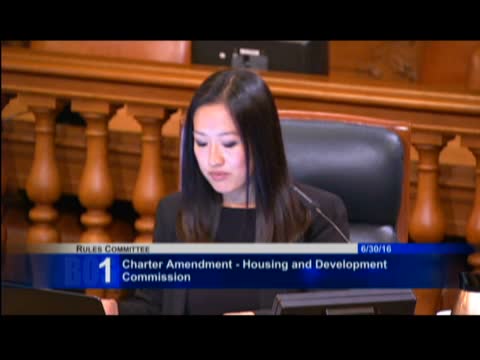
Supervisor David Campos outlined a first‑draft charter amendment on June 30 to create an independently elected Office of the Public Advocate, which would act as an ombudsperson with authority to receive and investigate complaints, subpoena documents, perform audits of city departments and issue policy reports.
Campos said the office would provide a citywide mechanism to identify trends in complaints and pursue systemic reforms; he cited New York’s public advocate as a model and said similar offices exist in King County and Toronto. The draft contemplates moving several existing functions into the new office — potentially including the city’s whistleblower program and the Office of Citizen Complaints — subject to ongoing discussions with controller and other stakeholders.
During public comment the Chamber of Commerce warned of duplication and a roughly $13 million annual department budget the draft once referenced; labor unions, tenants’ advocates and some community groups urged independent oversight and said existing watchdog functions lack capacity. The Controller’s office provided an updated estimate that the additional recurring cost could be approximately $2.4 million per year and noted a special election to place a charter change on the ballot could cost roughly $4 million one time.
Supervisor Campos and staff said they will circulate amendments after follow‑up conversations to address budget structure, placement of whistleblower functions and oversight governance; the committee continued the item to a July 6 special Rules Committee meeting for further drafting.