Get Full Government Meeting Transcripts, Videos, & Alerts Forever!
Get email alerts on the Homeless Services topic
No spam. Unsubscribe anytime.
Rules Committee reviews Shelter Monitoring Committee report after spike in complaints and flags policy gaps
Summary
The Rules Committee received quarterly Shelter Monitoring Committee reports that showed overall site-visit compliance near target but a jump in complaints (6 to 26), identified gaps in an 'imminent danger' domestic-violence policy that can deny victims access to family shelters, and raised issues about linen laundering, signage and muni-token distribution.
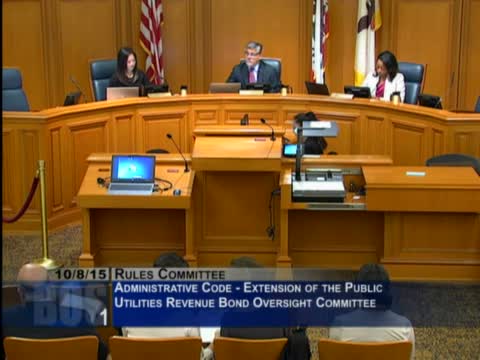
The San Francisco Rules Committee on Oct. 8 heard a detailed presentation from the Shelter Monitoring Committee on its third- and fourth-quarter reports and pressed staff on complaint trends, site-visit coverage and policy gaps affecting shelter clients.
Nick Kimura, chair of the Shelter Monitoring Committee, told the committee that after a slow third quarter the group caught up in the fourth and "throughout the both quarters, we achieved 97% of the required site visits" (the committee missed one site visit because of construction). Kimura said complaints rose sharply in the period under review, noting "in January we had 6 complaints. However, in February, we had 26." He told supervisors the majority of complaints historically involve staff conduct, facilities and access issues.
Committee members and supervisors focused on several operational problems. Kimura described the committee's "imminent danger" policy for domestic-violence incidents at family shelters: the perpetrator is denied services and, as the policy is written, the victim can also be denied access to the family shelter system for a period recently reduced from 30 to 15 days. Supervisor Katie Tang and others warned that the rule can deter reporting and leave victims without safe alternatives; Kimura and staff said they are working with domestic-violence providers, HSA and shelter operators to revise the policy.
Supervisors also raised repeated operational issues at specific sites. Committee staff told the Rules panel that Nextdoor (identified in reports) has 334 shelter beds and MSC South roughly 324; staff said larger shelters receive additional site visits because of higher traffic and complaints. United Council's drop-in site was cited for missing bilingual materials, a lack of posted emergency exit plans and missing reasonable-accommodation forms in Spanish; committee follow-up visits (outside the reporting quarter) found some corrections but the Spanish-language forms remained outstanding.
Public comment and committee discussion also highlighted transportation tokens distributed through HSA. Will Daley, a former committee member and shelter client advocate, said tokens are sometimes unavailable and criticized the cost and administration of the token policy. Kimura and HSA staff said a committee survey found many clients were unaware tokens exist and that staff sometimes do not know the policy. HSA estimated a citywide program providing two tokens per day to every eligible client could cost about $86,000 per year; staff said they will post signage, ensure token supply at shelters and continue coordination with MTA and the shelters.
Committee staff described the complaint-investigation workflow: the Shelter Monitoring Committee conducts site visits and client interviews, forwards unresolved complaints to HSA for further inquiry, and HSA can recommend personnel actions or training where appropriate but generally does not disclose personnel-level outcomes to complainants. Staff said roughly 15 investigations occurred over the prior three years and that recordkeeping improvements (dates, times and staff identification) are a priority.
Supervisors thanked the committee and directed follow-up: revise the imminent-danger policy with community input, ensure signage about tokens and token availability, and follow up on Nextdoor and United Council corrective actions. The clerk said this quarterly-report item will be continued to the Call of the Chair for follow-up.