Get Full Government Meeting Transcripts, Videos, & Alerts Forever!
Get email alerts on the Vacancy Elections topic
No spam. Unsubscribe anytime.
Avalos amendment narrows "Let's Elect Our Elected Officials" to supervisors and mayor; committee adopts clarifying edits and continues item
Summary
Supervisor John Avalos's charter amendment to require special elections for vacancies was narrowed to apply only to Board of Supervisors and mayoral vacancies; the committee adopted timing amendments and an interim-appointment rule and continued the measure for final text and referral.
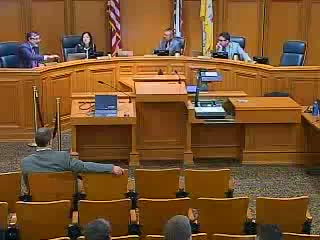
Supervisor John Avalos presented a charter amendment intended to require special elections to fill vacancies in elective city offices, saying the change would strengthen democratic participation. He narrowed the proposal in committee to apply specifically to vacancies in the Board of Supervisors and the mayor's office.
Key changes the committee adopted: special elections would be held within a timeframe aligned to state law (generally 126'140 days after the vacancy, with consolidation allowed where feasible); the mayor would appoint an interim supervisor who would be ineligible to run in the special election (but could run later); and the director of elections may request extended timing to consolidate a special election with a regularly scheduled election, subject to Board approval. Director of Elections John Arntz offered technical edits to permit practical consolidation in the department's scheduling.
Supervisors debated the democratic trade-offs: Supervisor Avalos and supporters argued returning vacancies to the voters prevents concentration of appointment power, while Supervisor Katie Tang and others noted incumbency advantages and turnout concerns for isolated neighborhood special elections. Public testimony similarly split: some civic and ethics groups supported the proposal as pro-democracy; others worried about turnout and cost for standalone local elections.
On a roll-call vote the committee adopted the narrowed amendments and continued the item so staff could finalize the official charter language and timing details before the measure is referred to the full Board for placement on the ballot.