
Council probes community-center overspending and growing homeless-feeding program
Get AI-powered insights, summaries, and transcripts
Subscribe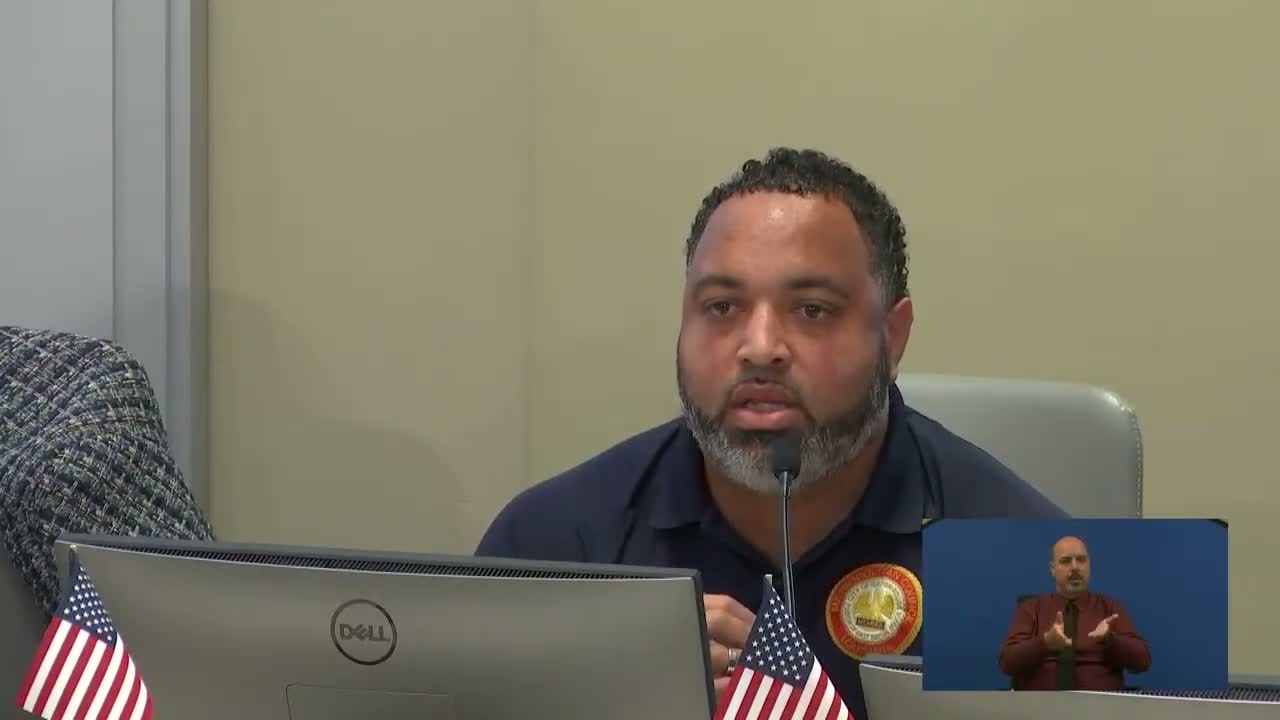
Summary
Council members raised concerns about overspending at some community centers, particularly a homeless-feeding program that officials said expanded from 20–30 meals to 100+ daily; finance staff said some overspending will be covered by excess revenues but recommended stronger oversight and training.
Council members pressed finance staff about overspending at community centers and the scope of an expanded homeless-feeding program at the Leo S. Butler Center.
Councilman Hurst described rapid growth in one center—s feeding program, saying it had grown from serving 20–30 people to more than 100 on feeding days and reported more than 450 showers provided weekly as part of hygiene services. He said about 80 percent of people using the service struggle with substance use and argued opioid-related funds should have prioritized parish-run community services. "If y'all wanna tell people they can't come eat, y'all come do it," Hurst said, describing the program as a vital service.
Finance staff said some overspending at community centers was covered with self-generated revenues and that excess revenues (property tax, sales tax, franchise fees) would be used to offset the remainder; staff estimated the net overexpenditure to be a little over $70,000 and said the general fund would be the ultimate source. Administration staff (Christel) said finance does not control opioid dollars but that the administration had engaged a $2,500 audit/consulting review and planned finance-led training and standard operating procedures to improve real-time financial reporting for community centers.
Council members sought clearer oversight channels and asked administration and finance to present tightened controls in the 2026 operating budget. No formal policy change was adopted at the hearing.