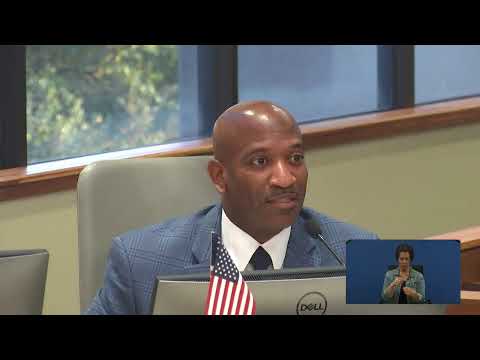
Baton Rouge finance director outlines $1.156 billion budget and proposed workforce cuts
Loading...
Summary
Finance Director Angie Savoie told the Metro Council the proposed 2026 budget totals $1.156 billion, with a $332 million general fund (28%). She proposed deleting 234 positions and warned that workforce reductions and lower reserves will slow public-facing services.
Angie Savoie, finance director for the City-Parish, told the Metro Council at a budget hearing that the parish—s proposed 2026 budget totals $1.156 billion and that only about 28 percent of that amount — roughly $332 million — is undedicated general fund money supporting operations.
Savoie said salary and benefits account for about 71 percent of general fund spending and that the parish has cut 422 positions over the last four years. The 2026 proposal would delete 234 positions, of which Savoie said 213 were already frozen. "We are reducing our workforce," she said, and acknowledged the cuts will reduce services and lengthen processing times for residents.
Savoie urged caution about the parish—s reserves. Citing the legislative auditor—s two-month operating-cash recommendation, she said the parish would need approximately $52 million in undesignated reserves; current undesignated reserves were described as roughly $36 million, about a month and a week of operating cash. "We have all made a commitment to strive to build this up to what the best practice is," she said, noting reserves are essential for responding to disasters and sudden costs.
Council members asked how service reductions would look in practice. Savoie said finance operations would see an 11 percent reduction from 2025 levels, and that her department proposed reducing staffing by roughly 35 percent. She warned taxpayer assistance wait times could lengthen and check issuance and other customer-facing services could be reduced. To illustrate workload pressure, Savoie listed typical monthly volumes: more than 1,600 journal entries, more than 7,000 bank transactions, and more than 2,000 cash receipts.
The finance director said some efficiency gains might be achieved through technology and reorganizing divisions but that core legal obligations (budgeting, audits, sales-tax collection for the parish, and grant reporting) would remain priorities.
The council did not take a formal vote at the hearing. The chair scheduled a follow-up hearing for Nov. 24 to hear drainage, transportation and public works departments.
The next procedural step is additional hearings and budget deliberations before final adoption.