Get Full Government Meeting Transcripts, Videos, & Alerts Forever!
Get email alerts on the Homelessness topic
No spam. Unsubscribe anytime.
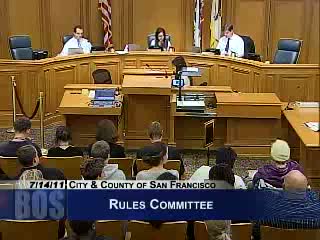
Rules Committee hears heated testimony on shelter set‑asides and Care Not Cash
Summary
Supervisors and Human Services Agency staff debated a proposed initiative that would exclude shelters from the Care Not Cash definition of 'housing.' HSA presented data on bed set‑asides and program outcomes; dozens of currently and formerly homeless people and advocates gave sharply divided testimony about access, conditions and consequences.
The Rules Committee held an extended hearing on a proposed ballot initiative to amend the administrative code so that homeless shelters would not count as “housing” for purposes of the Care Not Cash program. Chair Jane Kim and HSA staff framed the item by citing the city’s homeless count and shelter capacity: roughly 1,134 shelter beds, of which 345 are reserved for Care Not Cash (CAP) recipients.
Trent Rohrer, director of the Human Services Agency, said reservation practices were implemented to ensure entitlement compliance and to support the program’s housing-first goals. Rohrer said Care Not Cash transfers about $13.7 million annually from cash grants into housing and supportive services, funding about 1,296 supportive units and contributing to placement of about 3,568 people into housing since the program began. He said nightly vacancy snapshots typically show relatively small vacancy percentages (for example, 5–77 vacancies across the system on recent nights) and that reserved CAP beds are, in practice, usually filled by CAP recipients. He cautioned that returning cash to recipients or changing the benefit definition could increase caseloads and cost the city an estimated $8–$10 million annually in some analyses and could jeopardize existing housing leases funded by the care fund.
Speakers from homelessness advocacy organizations and many people with current shelter experience described operational problems they said produce inequity in access: beds that sit empty at some facilities at night while people in other neighborhoods wait in long lines, restrictions in shelters (curfew, controlled 15‑minute breaks), sanitation problems, and the experience of CAP recipients who report paying for a shelter cot while having little cash left for basic needs. Coalition on Homelessness staff and other advocates urged the Fair Shelter initiative to correct what they described as an unfair reservation system that locks out seniors, veterans and disabled people who are not CAP-eligible.
Opponents—HSA staff, some shelter providers and other speakers—said care not cash produced measurable progress getting people into permanent housing and that dismantling the current structure would risk increasing shelter demand and losing built housing units funded by the care fund. HSA staff noted legal constraints over reducing grants in some circumstances and emphasized operational fixes and education about when beds are released as alternative steps.
Supervisors closed public comment without taking a vote and asked staff to provide additional data, including a review of Providence contracts and daily vacancy patterns. Chair Kim said the committee preferred administrative fixes to litigation or ballot action when possible, but left the initiative process open while encouraging staff and sponsors to continue negotiations.
Ending: Committee asked HSA for follow-up data and signaled further work before any ballot placement.