Get Full Government Meeting Transcripts, Videos, & Alerts Forever!
Get email alerts on the Appointments Process topic
No spam. Unsubscribe anytime.
Supervisors debate delaying mayoral confirmations as Newsom delays swearing-in
Summary
Supervisors at the Rules Committee questioned whether to confirm Mayor Gavin Newsom’s late-year commission nominees while he delays being sworn in as lieutenant governor; Supervisor John Avalos urged postponement, prompting legal and procedural briefing from the city attorney and several continuances.
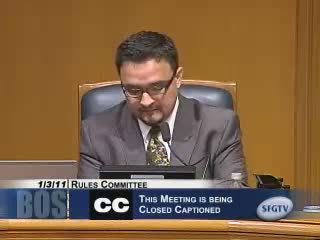
San Francisco — The Board of Supervisors’ Rules Committee opened Jan. 3 with a debate over whether to act on dozens of mayoral commission nominations while Mayor Gavin Newsom has delayed his swearing‑in as California lieutenant governor.
Supervisor John Avalos (District 11) told the committee he worried the mayor’s choice to postpone taking the lieutenant‑governor oath could allow the mayor to ‘have his cake and eat it too’ by making appointments now while avoiding interim‑mayor succession that could alter those picks. Avalos argued the constitutionally prescribed January 3 assumption of the lieutenant‑governor office means the city should not rush to confirm appointments that a successor might reverse.
Chair David Campos and other supervisors acknowledged the political sensitivity while urging attention to the quality of nominees. Deputy city attorney Cheryl Adams told the committee the legal consequences differ by commission: appointments to the Historic Preservation Commission that were transmitted Dec. 1 carry a 60‑day window after transmittal before they become deemed approved, while other appointments (including some Port and MTA nominations) are subject to board confirmation without an automatic approval deadline.
That legal briefing framed the committee’s approach. Several supervisors said continuing items would preserve the board’s discretion while signaling concern about the mayor’s timing; others said the public’s interests and time‑sensitive agency work argue for acting. The committee repeatedly balanced those aims during the hearing and continued several nominations to the ‘call of the chair’ while forwarding a subset of nominees it judged time‑sensitive.
The committee’s choices reflected the split: some nominations were paused for further consideration and legal review; others — where supervisors emphasized urgent agency work or community representation — were moved forward to the full board.