Get Full Government Meeting Transcripts, Videos, & Alerts Forever!
Get email alerts on the Labor Relations topic
No spam. Unsubscribe anytime.
Proposed shift of transit operator pay to bargaining draws union pushback
Summary
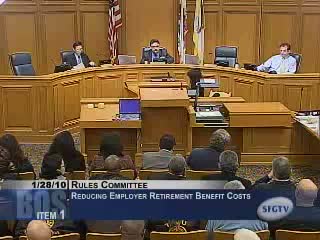
Supervisor Ellspern's proposal to set transit operator wages and benefits solely through collective bargaining drew strong opposition from labor leaders, who called the measure a 'gun to the head' and urged continued negotiations instead of a charter change; Supervisor Ellspern said he was willing to meet but defended the proposal as leveling the playing field.
Supervisor Sean Ellspern asked the Rules Committee to consider a charter amendment removing Charter language that effectively codifies a salary/benefits survey for transit operators and instead allowing wages and benefits to be set solely at the bargaining table. Ellspern said recent analysis showed potential savings tied to dependent coverage design and that he sought further meet‑and‑confer with the Transport Workers Union (TWU).
Labor leaders responded angrily. Mike Casey, president of the San Francisco Labor Council, and representatives of TWU said the proposal would undermine bargaining leverage and risk labor peace. Casey described the proposal as negotiating "with a gun to our head," saying it could force concessions under threat of a ballot measure and urged the committee to "kill this today" and return to genuine bargaining.
Ellspern defended his effort as an attempt to level the playing field and noted he was willing to continue discussions; he described the existing Charter language as giving TWU a unique advantage (the salary survey) not shared by other unions. The committee agreed to continue the item to allow further meetings between the sponsor, MTA negotiators and union representatives.
Takeaway: The proposal triggered strong labor opposition and a robust public-comment turnout from transit operators and union leaders; the committee paused consideration to allow more negotiation.