Get Full Government Meeting Transcripts, Videos, & Alerts Forever!
Get email alerts on the Budget Rainy Day topic
No spam. Unsubscribe anytime.
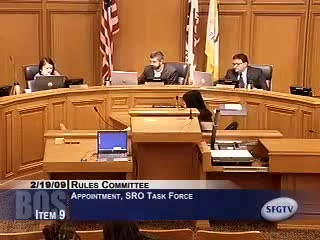
Rules Committee weighs expanded rainy-day withdrawals, votes amendment to prioritize health services
Summary
The Rules Committee debated a charter amendment to expand withdrawals from San Francisco’s rainy day reserve to soften sweeping budget cuts; after heated debate the committee approved an amendment to limit uses toward mitigating cuts to health and human services and continued the measure for further work.
The San Francisco Board of Supervisors Rules Committee spent a large portion of its meeting debating a proposed charter amendment to allow the city to draw more deeply on its rainy day reserve to blunt an anticipated multihundred‑million‑dollar budget shortfall.
Chair Chris Daley said the measure would permit the city to withdraw up to 100% of the current rainy day balance in certain extreme years, capped at 20% of a projected deficit, and require that one‑third of any withdrawal be passed on to the school district. Daley told the committee the city faces “a $570‑million‑plus” projected deficit and said the amendment was intended to give elected officials more discretion to prevent cuts that he said could cost lives if services are eliminated.
The proposal drew immediate pushback from supervisors who warned that depleting reserves now could leave the city exposed in a prolonged downturn. “The rainy day fund has meant a lot to the school district,” Supervisor David Campos said, noting that the district received about $19 million from the reserve in the prior fiscal year. Supervisor Carmen Chu said draining the entire fund in one year would leave the city with no room to respond if next year’s shortfall proved worse.
Daley offered an amendment to the draft charter language that would narrow the stated uses to “offset or mitigate cuts to health and human services in the upcoming budget year.” That narrower amendment passed on a roll call (Chu: no; Campos: aye; Daley: aye). The committee then opened the item for public comment. Labor and community speakers urged flexibility to spend now to protect vulnerable residents; others urged caution and protection of long‑term reserves.
The committee unanimously moved to continue the item, as amended, to a future meeting so the sponsor and staff can refine the language and evaluate timing and ballot strategy. The measure will return to committee for further deliberation before any decision to place it before voters or the full Board.