Get Full Government Meeting Transcripts, Videos, & Alerts Forever!
Get email alerts on the Treatment On Demand topic
No spam. Unsubscribe anytime.
San Francisco health officials and advocates back 'Treatment on Demand' initiative; supervisors file item
Summary
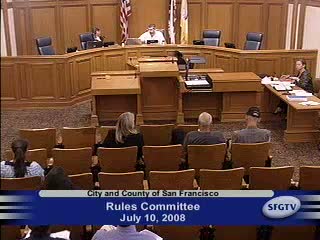
Health department leaders, researchers and homelessness and recovery advocates told the Rules Committee the proposed Treatment on Demand ordinance could expand substance-abuse treatment slots and save public dollars; the committee filed the item after testimony about costs, service gaps and likely budget tradeoffs.
Supporters of the Treatment on Demand ordinance told the San Francisco Rules Committee the measure would direct the Department of Public Health to assess current capacity and recommend a budget to expand substance-abuse treatment access across the city.
Deputy Director of Health Barbara Garcia described system changes since the 1990s—expanded relapse-prevention approaches, overdose-prevention programs and increased methadone access—while cautioning that substance-abuse services remain largely funded from the general fund and that prohibiting cuts could shift pressure onto other services.
Dr. Alice Gleghorn, deputy director of community behavioral health services, summarized local evaluations and national studies, saying each dollar invested in substance-abuse treatment produces multiple dollars in community savings; she cited a 1994 study estimating a $7 benefit per $1 spent and described local increases in targeted treatment funding and slots since the mid-1990s. Gleghorn said drug-related deaths in San Francisco have dropped from about one overdose death every other day in earlier years to "less than a hundred per year" now, though she did not provide the precise figures during questioning.
Speakers from the Treatment on Demand Council, San Francisco Recovery Theater, the Coalition on Homelessness, St. Anthony Foundation and local treatment programs urged passage, noting persistent waiting lists (speakers said roughly 500 people wait daily for treatment) and arguing outpatient and low-threshold services are vital entry points. A Walden House clinical manager urged the committee to include outpatient services because they are often the first step toward recovery.
After multiple speakers described unmet demand and potential budget savings, the committee filed the item without objection. The act as read would add Section 19A.23 to the San Francisco Administrative Code, request departmental assessment and propose budget recommendations to work toward treatment-on-demand goals over the coming 18 months.