Get Full Government Meeting Transcripts, Videos, & Alerts Forever!
Get email alerts on the Utilities topic
No spam. Unsubscribe anytime.
Supervisors open wide debate on creating independent ratepayer advocate; item continued for further drafting
Summary
Supervisors debated a charter amendment to create a city Office of Independent Ratepayer Advocate to represent water/sewer customers amid billions in SFPUC projects; supporters urged independent oversight while opponents warned of duplicative bureaucracy. The committee continued the item for one week and asked the city attorney to prepare amendments.
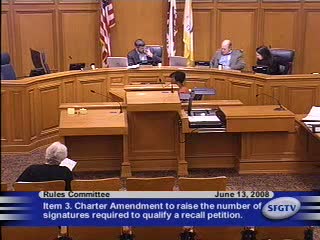
The Rules Committee opened an extensive debate over a proposed charter amendment to create an Office of Independent Ratepayer Advocate to represent San Francisco water and sewer ratepayers.
Sponsor Supervisor Elliot O'Pear said the city faces billions of dollars in SFPUC projects — including Hetch Hetchy rebuilds, a wastewater master plan and recycled-water projects — that could substantially increase rates and therefore require a permanent independent oversight function. The proposed office would be funded from PUC revenues, be authorized to obtain PUC information, hold public meetings, and provide analyses and recommendations to the PUC, the Board of Supervisors and the Rate Fairness Board.
Deputy City Attorney Sheryl Adams summarized the draft: it creates the office, empowers the city administrator to appoint the advocate (removing mayoral appointment/approval), requires the position to be qualified (the sponsor referenced a 10‑year experience minimum in rate-making methodologies and utility operations), and mandates sufficient staffing funded by the PUC. PUC staff and the controller’s office explained existing rate-setting processes: an independent rate consultant (every five years), the Rate Fairness Board, the PUC commission, and the Board of Supervisors’ ability to reject rates by resolution.
Supporters argued the CPUC’s Office of Ratepayer Advocate model shows the value of an independent office that can analyze revenue requirements and advocate for ratepayers in evidentiary proceedings. Opponents called the proposal duplicative and warned it could add layers and costs to the rate-setting process; some supervisors suggested instead streamlining the current system rather than layering a new office on top of multiple existing bodies.
Members of neighborhood coalitions, consumer advocates and civic groups urged adoption, citing recent rate increases and a desire for a dedicated, expert reviewer. Others in public comment urged caution, noting the current review processes and the potential for added bureaucracy and cost. After more than an hour of public comment and debate, the committee agreed to continue the item for one week to allow further refinement and potential edits to the draft language.