Get Full Government Meeting Transcripts, Videos, & Alerts Forever!
Get email alerts on the Ab2745 Hospital Discharge topic
No spam. Unsubscribe anytime.
Panel hears widespread concern about hospital discharges to shelters and urges expanded respite and transitional care
Summary
A public hearing on AB 2745 drew dozens of advocates and providers who described inadequate hospital discharge planning, limited respite bed capacity (about 60 beds), and a need for standardized citywide discharge policies, expanded transitional-care contracts and better oversight; the committee requested reports and continued the item.
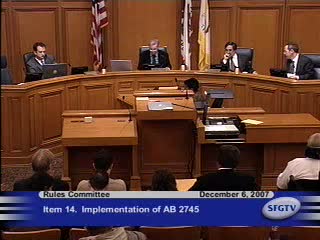
Supervisor Tom Ammiano opened a hearing on implementation of AB 2745, focusing on hospital discharge planning and the use of respite beds for homeless or medically vulnerable patients. Advocates, discharge planners, hospital case managers and community organizations testified at length about frequent, ill-suited discharges to shelters and resource centers and the shortage of appropriate respite beds beyond San Francisco General and a few other hospitals.
Speakers described successful local programs (Homecoming transitional care) that reduced 30-day readmission rates and urged expanding funding and contracting with community providers to increase transitional and respite capacity. Long-term-care ombudsman staff recommended expanding ombudsman authority into acute care settings but noted that state law or ordinance changes may be required. Discharge planners and hospital staff described chaotic processes, a lack of standardized forms and barriers for Medi-Cal patients seeking skilled nursing or board-and-care placements.
Community advocates proposed immediate administrative remedies (improved referral processes, freezing evictions while patients are hospitalized) and longer-term investments (expand respite to 200 beds, fund transitional-care networks). The Hospital Council said it endorses the recommendations and will include them in a January report to the state. The committee thanked participants, indicated the city will continue to develop a blueprint for transitional care and continued the item for follow-up and resolution work.