Get Full Government Meeting Transcripts, Videos, & Alerts Forever!
Get email alerts on the Charter Amendment Ethics topic
No spam. Unsubscribe anytime.
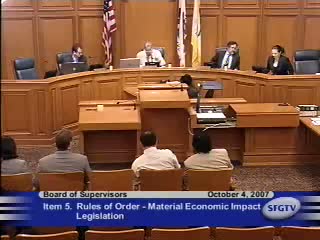
Committee debates charter amendment that would bar recent offenders from oversight bodies
Summary
Supervisor Alioto-Pier presented a charter amendment proposing minimum-qualification restrictions for Ethics and Elections bodies; supervisors discussed extending the ban for certain felonies and adding language to cover official misconduct not prosecuted as felonies. The committee agreed to forward without recommendation while considering technical amendments and ballot timing.
Supervisor Alioto-Pier presented a first-draft charter amendment (proposed new section 15.104) that would make persons ineligible to serve on city bodies that oversee elections, campaign finance, lobbying, conflict of interest, open meetings and public records if, within the previous four years, they had been convicted of specified felony offenses (election/campaign finance/lobbying/conflict-of-interest felonies; felony fraud, deceit, embezzlement, extortion, bribery, theft of public funds; professional-license revocation for fraud/dishonesty), or had been a candidate, treasurer or registered campaign consultant required to file campaign-disclosure reports with the Ethics Commission or Department of Elections.
Alioto-Pier described the measure as intended to address the "appearance" problem and restore public confidence in bodies such as the Ethics Commission and Elections Commission. She noted the measure is not retroactive and said the proposal was a cleanup to prevent politicization of oversight bodies. The text as presented set a four-year bar for the listed offenses.
Supervisors raised possible refinements. Supervisor Ellsberg noted the charter language as drafted might not prevent someone found by the Board of Supervisors to have committed official misconduct (a non-felony administrative finding) from serving on an oversight body and suggested adding language to capture such cases. Ellsberg and others also discussed whether more serious felonies should have a longer exclusion (for example, lengthening the bar to 10 years for certain categories). The City Attorney, Cheryl Adams, advised the committee on scheduling and ballot-timing: if the Board sends the measure to the October 16 meeting without amendments, it could meet the February election deadline; amendments at the October meeting or later would require additional continuances and careful sequencing to meet ballot rules.
Supervisors signaled shared concern about tailoring the bar to different offense types and whether to add administrative findings (official misconduct). Committee members agreed they would discuss potential language changes and noted that any substantive change in committee would require a continuance. The committee planned to send the matter to the full Board "without recommendation" while working on the suggested technical refinements.
No final charter language was adopted at the committee meeting.