Get Full Government Meeting Transcripts, Videos, & Alerts Forever!
Get email alerts on the Public Records Access topic
No spam. Unsubscribe anytime.
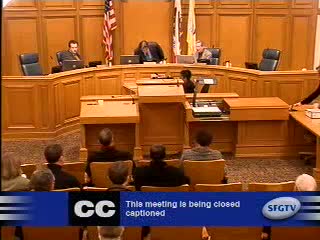
Rules committee forwards amended policy on public records format after heated metadata debate
Summary
The Rules Committee debated whether the Clerk of the Board should provide records in native formats with metadata or as PDF; after public comment and legal briefing, the committee amended the draft policy to require providing records in the format requested by the requester and forwarded the matter to the full Board.
The San Francisco Board of Supervisors Rules Committee debated on whether the Clerk of the Board should routinely provide public records in their native formats (with metadata) or in PDF, ultimately amending a draft policy to direct that records be provided in the format requested by the requester and forwarding the item to the full Board.
Gloria Young, Clerk of the Board, told the committee the question is "strictly a policy issue" and that the clerk's office will follow whatever direction the Board gives. Young noted operational limits: "85% of the documents that we receive in our office comes from other departments," and departments must help ensure documents are created in a releasable form.
Doug Comstock, chair of the Sunshine Ordinance Task Force, urged the committee to rely on the task force's expertise and cautioned against allowing the city attorney to impose new limitations. "This is a tempest in a teapot," he said, and argued that new exemptions to disclosure must come from the Legislature, not from city hall.
Deputy City Attorney Paul Zaretsky responded that state law preempts any local rule: "a city ... cannot impose greater restrictions on access to public records than state law permits," and he described the city attorney's role as the legal adviser to departments while recognizing the task force's policy role.
Public comment was extensive. Martin McIntyre said the clerk removed an email transmittal and argued metadata is needed to show "who said it, what they said, and when," alleging efforts to withhold how documents were created. Joe Lynn urged technical support for the task force, arguing the solution will come from information-organization expertise rather than litigation. Attorney Alan Grossman warned that allowing the clerk discretion to convert native files to PDF could "represent a complete reversal" of disclosure rules. Several speakers, including Kimo Crossman and other advocates, said the clerk had been found in violation in task-force hearings and urged the committee to preserve broad access to native data.
After discussion about legal baselines (the California Public Records Act and voter-approved Proposition 59) and the role of the task force, supervisors agreed to amend the motion. The committee added language directing the clerk to "provide public access to records in the format requested by the requester," and voted to forward the amended item as a committee report to the full Board for final action.
What happens next: The item will be considered by the full Board of Supervisors; the committee recommendation asks the Board to adopt the amended policy directing the clerk to honor requesters' requested formats, subject to applicable legal exemptions and operational constraints.