Get Full Government Meeting Transcripts, Videos, & Alerts Forever!
Get email alerts on the School Nutrition topic
No spam. Unsubscribe anytime.
Fulton County School Nutrition proposes 25¢ meal price increase as program faces $5.7M shortfall
Summary
School nutrition staff told the board that FY26 forecasts show a $5.7 million budget shortfall driven by lower federal support and decreased participation, and proposed a 25¢ increase for breakfast and lunch for students and adults to help close the gap.
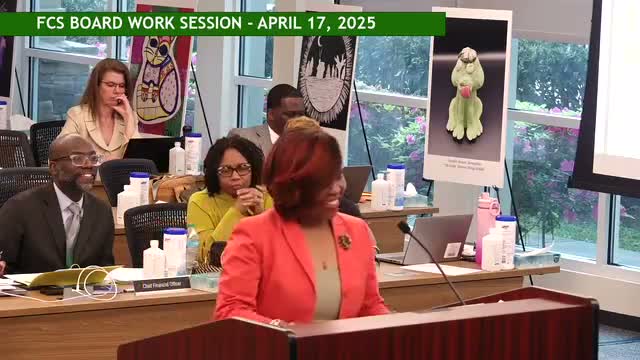
Alicia Wright, the district’s executive director of school nutrition, told the Fulton County Board of Education on April 17 that the School Nutrition Program faces a projected FY26 shortfall of $5,700,000 and is proposing a 25¢ increase for breakfast and lunch for students and adults to help balance the program’s budget.
Wright said the program operates 95 commercial kitchens and provides about 13 million meals annually. She told the board that available resources in the FY26 forecast include $49,000,000 from student sales, $3,200,000 in USDA Foods and roughly $1,500,000 in state supplement and adult sales, leaving the program short of its operating needs. Wright also reported a 3.53% increase in student participation through February and said the USDA’s cancellation of a local‑foods grant (about $664,000 over two years from the Local Foods for Schools grant) complicates plans to source locally.
On the proposed pricing change Wright said: “The forecast includes a proposed increase of 25¢ for breakfast and lunch for all students and adults.” Board members pressed staff on whether relationships with local farmers—named in the presentation as Hunter Cattle Company—could be sustained at reduced levels; Wright said the district hopes to maintain relationships but may buy different or less expensive products than those purchased under the grant.
Wright outlined cost‑saving steps already taken, including reducing menu entrees at elementary and middle schools (a 5% reduction in food spending this year) and analyzing serve counts to remove least‑popular items. She said the forecast also assumes conservative federal reimbursement changes and continued efforts to grow participation. The nutrition request and any approved price increase will be folded into the FY26 budget process and brought back to the board as part of final budget actions this spring.
Ending: The board asked staff to continue exploring options to sustain local sourcing at reduced cost and to include the meal‑price proposal in the final FY26 budget discussions.