Get Full Government Meeting Transcripts, Videos, & Alerts Forever!
Get email alerts on the Crossing Guards Funding topic
No spam. Unsubscribe anytime.
Gloversville mayor asks school district to absorb rising crossing-guard costs
Summary
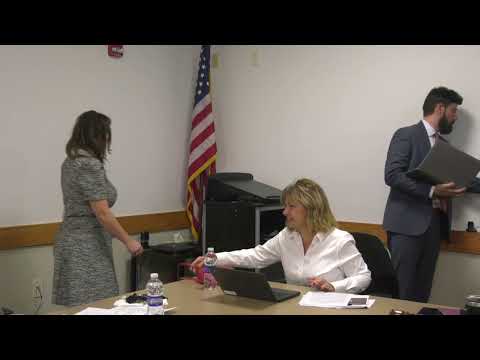
Mayor Vince DeSantis told the Gloversville City School District board the city's crossing-guard contract climbed from about $50,000 to nearly $192,000 and asked the district to assume the expense amid a city budget shortfall of just over $3 million; trustees agreed to discuss adding the item to the December agenda for a January start if approved.
Mayor Vince DeSantis asked the Gloversville City School District to consider taking over the city's crossing-guard contract, saying the cost has "increased dramatically" and that the contract now runs "close to a $192,000," up from roughly $50,000 in prior years.
"This year, the city has a budget shortfall of over $3,000,000," DeSantis said, noting the city's total budget is "a little over $22,000,000." He told the board that the district's tax base and budget are larger and that shifting the cost could spread expenses across the wider district.
Board members pressed for details about liability and common practice. One trustee noted it is "not typical for districts to have employees on the streets of the city," and another said school systems sometimes pay cities to offset crossing-guard costs rather than directly employ guards. DeSantis acknowledged he did not have the company's internal cost breakdown and said the contract is currently with an external vendor because the city lacks in-house staffing.
Trustees also asked whether volunteers or locally trained staff might replace the contracted service. A participant noted there are "no educational requirements" for crossing guards and that the role can be a volunteer position requiring only basic direction and traffic-control training; DeSantis and other trustees said they would explore whether in-house staffing or volunteers could be a more cost-effective approach.
Board members discussed timing: the current city contract runs on a calendar-year cycle, and trustees suggested placing the matter on the December board agenda for a possible January 1 effective date if the board chooses to act.
Next steps: the board agreed to gather more information and to consider the issue on a near-term agenda; no formal motion or vote transferring responsibility occurred at the meeting.