Get Full Government Meeting Transcripts, Videos, & Alerts Forever!
Get email alerts on the Boards And Commissions topic
No spam. Unsubscribe anytime.
Loveland clerk outlines boards-and-commissions overhaul: training, background checks and a youth pilot
Summary
City Clerk Ashley McDonald presented a program review recommending clearer definitions, regular liaison training, standardized rubrics for consolidation, mandatory background checks for volunteers and a cautious pilot for expanding youth membership to additional boards.
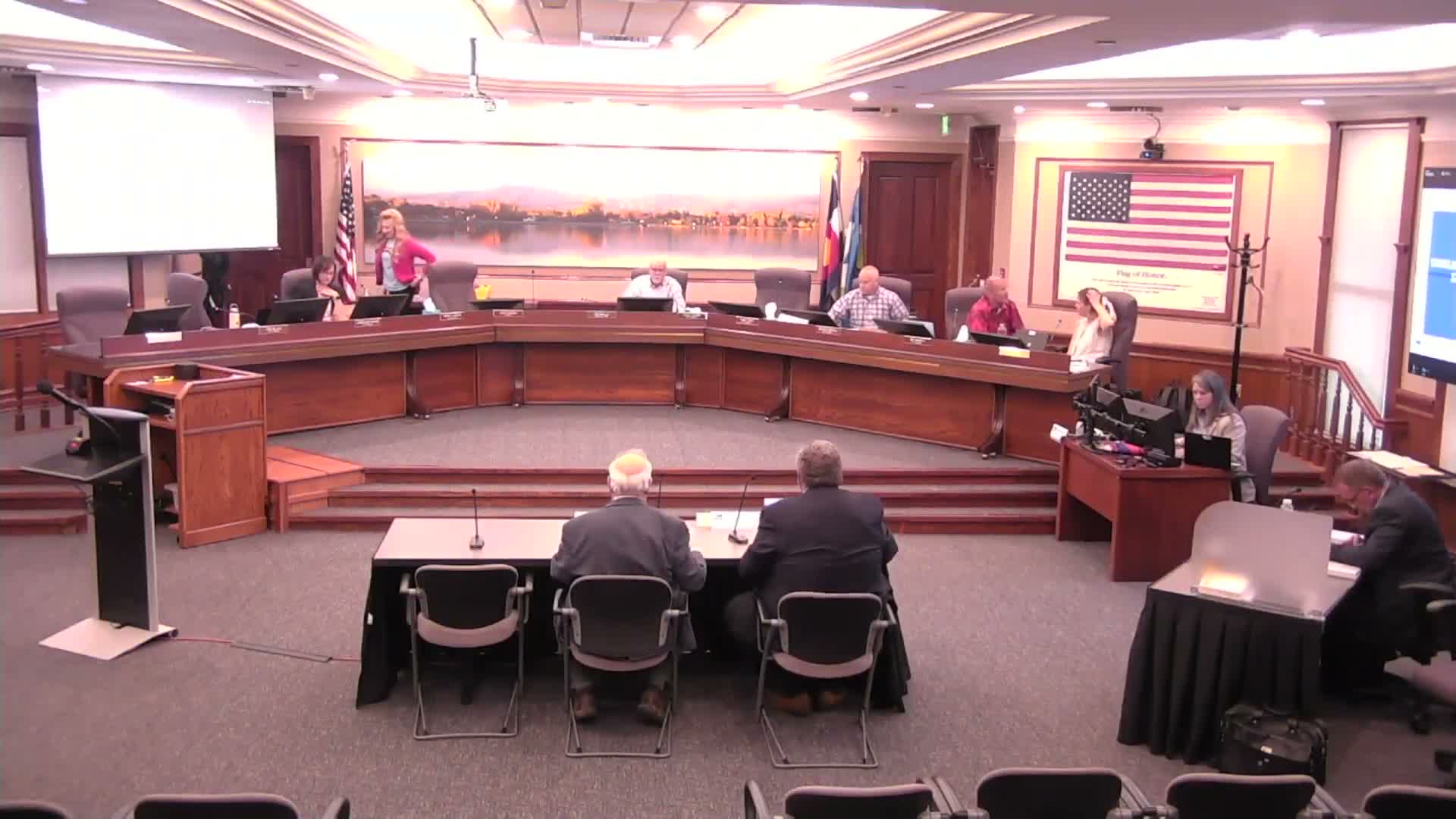
At a June 10 study session, Ashley McDonald, Loveland city clerk, presented the results of a year-long Boards and Commissions Program Review and proposed a package of updates to the volunteer handbook and program operations.
McDonald said staff used surveys, staff-liaison interviews, a Harwood-model "super meeting," and an independent review panel to evaluate 24 city boards and commissions. The review found broad support for the handbook's clarity but flagged recurring needs: clearer definitions (board vs. commission vs. committee), standardized expectations for liaisons, consistent definitions for excused/unexcused absences, more training for volunteers and liaisons, and a rubric to guide consolidation decisions.
Julia Holland, the city's HR director, briefed council on new state-level youth-safety legislation and youth-abuse-prevention requirements. Holland said rolling youth members out across many boards would require centralized policies, differentiated background checks depending on the level of contact with youth, and a train-the-trainer model for fall implementation. McDonald told council the clerk's office will require background checks for all board and commission volunteers ahead of fall recruitment and will provide a short redline chart of intended handbook changes.
Public commenters praised the effort and urged better listening to volunteers and more inclusion of board chairs in recruitment processes for department leadership. Councilors broadly supported annual or election-cycle liaison training, asked staff to develop a rubric to evaluate consolidation opportunities, and favored piloting youth expansion rather than immediate broad implementation (several councilors suggested the Parks and Conservation Advisory Board/PCAB as a possible pilot). Council also asked for clearer reporting from boards—beyond meeting minutes—so council can quickly see progress, roadblocks and budget requests.
McDonald closed by recapping the council's direction: develop council-liaison training (annually or at each election), build a consolidation rubric, implement background checks for volunteers, pilot a youth-member expansion and return with redlines, cost estimates and training plans. City staff will follow up by presenting proposed handbook edits and the rubric in a future meeting.