Get Full Government Meeting Transcripts, Videos, & Alerts Forever!
Get email alerts on the Charter Review topic
No spam. Unsubscribe anytime.
Loveland council favors appointed committee, not formal charter commission, to review city charter
Summary
After a legal briefing on home-rule procedures, the Loveland City Council directed staff to pursue a council-appointed charter committee with clear guardrails rather than the more onerous statutory commission route, citing cost, timing and flexibility concerns. Staff will return with a prioritized list of compliance and housekeeping items and proposed selection rules.
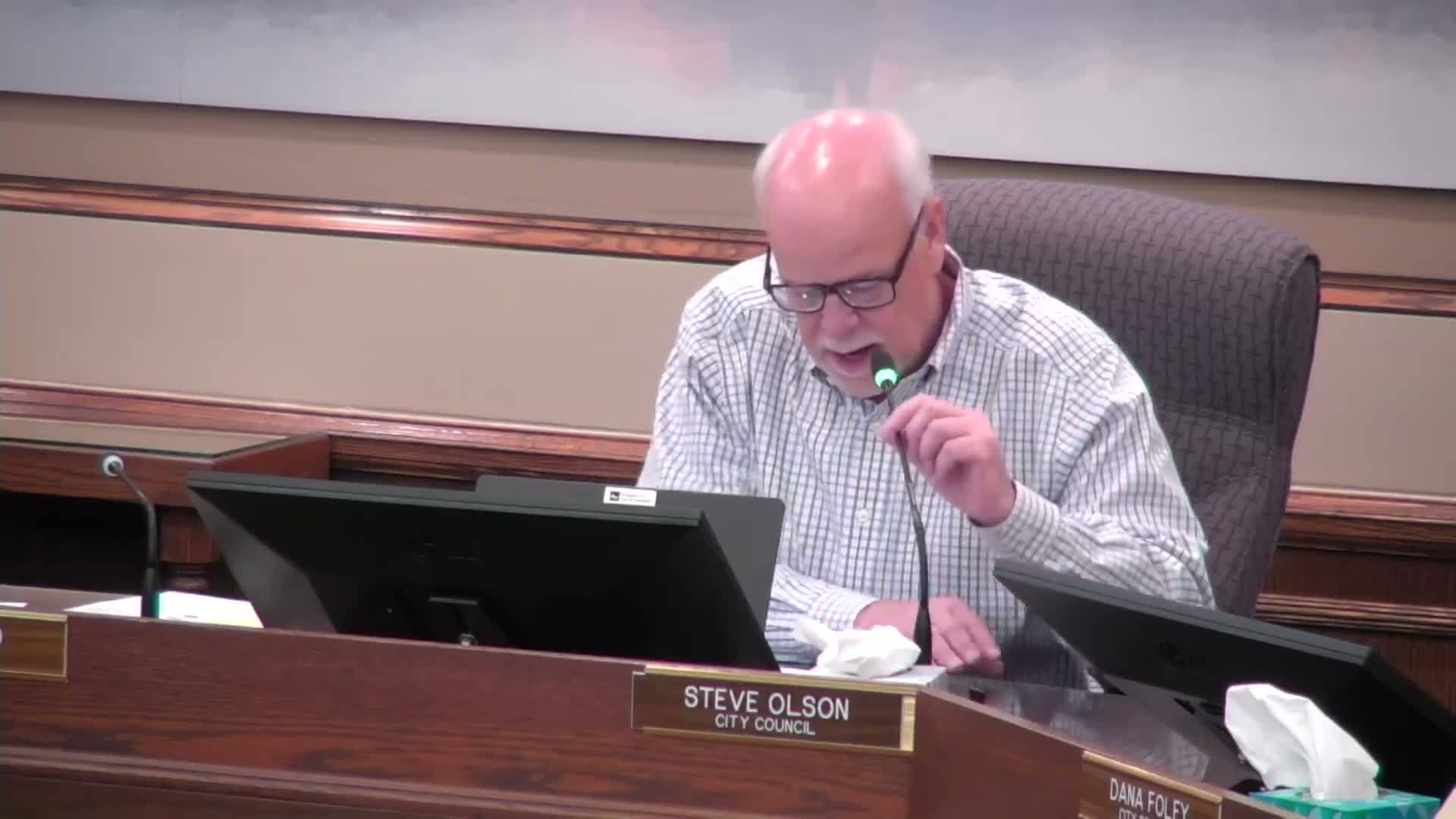
Acting as the study-session chair on June 10, Loveland's City Council heard a legal briefing from City Attorney Vince Jungles and special counsel Jeff Wilson about options for reviewing and amending the city's home-rule charter.
Jungles framed the choice as one of trade-offs. He said home rule gives municipalities flexibility and outlined the statutory, five-step path to form a charter commission: initiation (by petition or ordinance), calling an election, electing commissioners, drafting a proposed charter, and submitting it to voters. He added: "it really provides a lot of flexibility for communities to tailor its rules and its charter to its needs." Jeff Wilson, who has advised other Colorado cities, described the commission route as "soup to nuts" and noted strict statutory deadlines such as a 180-day completion window for a commission's work.
Public commenters and councilors expressed competing views about whether council should initiate the process or leave it to a citizen petition. Resident Larry Sarner argued the council could not lawfully initiate a charter commission and said "only the people can initiate a charter commission," urging initiation by petition. City Attorney Jungles responded directly, saying, "I simply disagree," and Wilson concurred that statute and practice provide two tracks: citizen petition or council referral.
After extended council discussion on cost, timing and control, a majority of councilors signaled support for a council-appointed charter committee rather than the formal statutory commission. Council members cited lower likely costs, greater timetable flexibility (avoiding at least one likely special election) and the ability to set guardrails and a focused "shopping list" of issues to address. Jungles estimated the formal route could cost in the hundreds of thousands (a broad estimate he placed at roughly $300,000'$500,000) because of special-election and counsel expenses, while a committee approach could be "substantially less," perhaps tens of thousands to low six figures.
Council direction and next steps: Council asked staff to produce a prioritized list of charter provisions needing attention (compliance/housekeeping items and any policy questions council wants reviewed), to propose selection rules for a committee (council discussed using a supermajority to appoint members), and to return with cost and timeline estimates. There was no formal vote recorded on June 10; the record shows a consensus toward the committee approach with an expectation that staff will bring concrete proposals for committee scope, appointment rules and funding.
Why it matters: A charter review can alter basic rules of local governance (terms, wards, election procedures, candidate eligibility and campaign finance provisions). Councilors emphasized avoiding a repeat of prior citizen panels that produced recommendations the council later ignored, saying clear guardrails and council direction are needed to make any committee productive.
The city attorney and outside counsel will draft the options and the "shopping list" for council review before any ordinance or ballot question is prepared; if council ultimately pursues a statutory commission or places questions on the ballot, additional public hearings and election procedures will follow.