Get Full Government Meeting Transcripts, Videos, & Alerts Forever!
Get email alerts on the Boards Commissions topic
No spam. Unsubscribe anytime.
Loveland staff propose training, background checks and a rubric to restructure boards and commissions
Summary
The city clerk presented a review of Loveland's 24 boards and commissions recommending clearer definitions, regular liaison training, background checks for volunteers and a cautious pilot for youth members; council asked staff to develop a rubric and return with proposals.
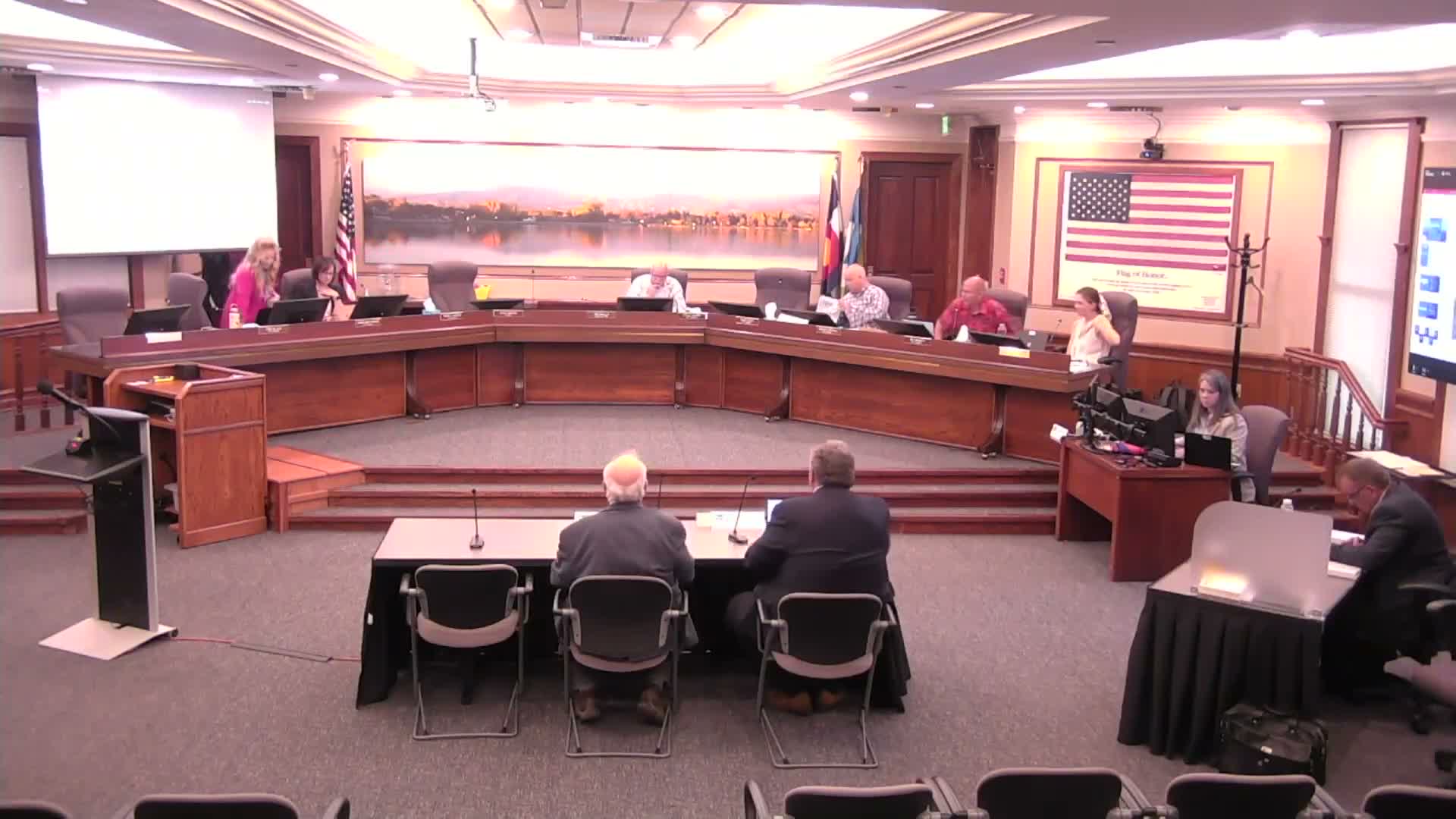
City Clerk Ashley McDonald presented findings June 10 from a months-long review of Loveland's boards and commissions program, recommending clearer role definitions, standardized recruitment and interview rubrics, regular training for council liaisons, and mandatory background checks for volunteers who interact with youth.
McDonald told the council the review combined staff surveys, liaison interviews, a community "super meeting," and an independent review. The package found most current handbooks are "functional" but that the city needs clearer definitions (board vs. commission vs. committee), more consistent training and improved communication between council and volunteers. The presentation noted Loveland administrates 24 boards and commissions and that current staff resources are strained.
"Definitions matter," McDonald said, urging standardized role descriptions and a recruitment rubric to ensure equitable, consistent appointments. She proposed a standardized application, interview rubric and an updated handbook that would include redline edits for attendance, conflict handling and liaison roles.
Julia Holland, Loveland's HR director, told council recent state legislation and youth-protection expectations require a careful approach to placing youth on decision-making bodies. Holland said the city must implement risk-based policies, background checks and training for any volunteers who will have repeated or unsupervised contact with youth.
"We will implement background checks as a consistent requirement for volunteers," Holland said, and added the human-resources team is developing a framework that evaluates risk by program activity and exposure.
During public comment, several volunteers and residents praised the process and urged the council to better acknowledge volunteers and involve commission chairs in hiring executive-level department leaders when appropriate. Christopher Seay recommended that some commissions (utility, planning, finance) be given input into recruitment of relevant department heads.
Councilors broadly supported the clerk's recommendations and asked staff to: build the rubric for evaluating consolidation or restructuring; plan liaison training (recommended at each election cycle or annually); pilot youth-member expansion carefully (several councilors favored piloting on PCAB or keeping youth within YAC and using subcommittees); and implement background checks ahead of fall recruitment.
What happens next: The clerk's office will provide a chart of proposed handbook changes (redline), draft standardized interview questions and a rubric for council review, schedule liaison training and coordinate with HR on background-check implementation and youth-protection policies.
Sources: Presentation by City Clerk Ashley McDonald and HR Director Julia Holland; public comment by Bill Becker, Cindy Van Slyenberg and Christopher Seay.