Get Full Government Meeting Transcripts, Videos, & Alerts Forever!
Get email alerts on the Facility Health Data topic
No spam. Unsubscribe anytime.
Parents and resident accuse Wythe County schools of mold cover-up, possible FERPA data exposure
Summary
Two public commenters alleged unresolved mold problems in county schools, inconsistent official communications, and a FOIA-produced release of personally identifiable records affecting tens of thousands; they urged the school board to act and said they have photos and FOIA documents.
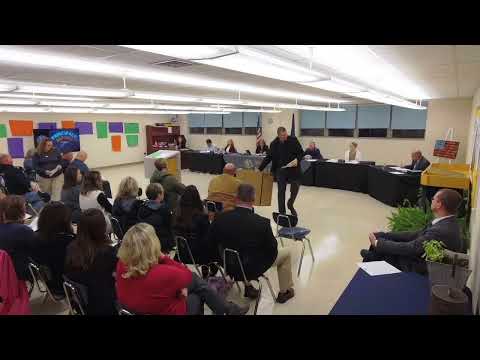
Corey Acres, a Wood County resident, told the Wythe County School Board on Nov. 14 that required mold-identification and remediation planning ordered under state law in 2021 had not been completed and that inconsistent communications from district officials undermined accountability. "There is mold," Acres said, and he cited an email he attributed to "doctor Brad Hager" that he said contradicts an earlier district message.
Acres also said records produced in response to a FOIA request included personally identifiable information for "a total of 60,267 individuals," including students, faculty and staff, and described that as a potential violation of FERPA. He quoted a statutory reference, "40.1-51.2 subsection 2," and said false statements can carry criminal penalties; he said he has photos and FOIA documents he can provide as evidence.
Jamie Davis, who identified herself as a parent at Shady Elementary School, described health symptoms in her child she said began after being at school. "My son comes home with headaches and stomachaches, which also results in him vomiting," Davis said, and she told the board she believes the symptoms are related to mold exposure. She urged the board to "make the right decision" and called for dramatic action on mold and for accountability for officials she named.
Board members read the public-comment rules before the speakers and did not directly respond to the specific allegations during the comment period. A representative offered to accept documents from a commenter and indicated staff would coordinate follow-up.
The record presented at the meeting contains allegations and photographs from residents and parents; the board did not announce any immediate policy action or formal investigation in open session during the meeting. The district did not provide a response on the record at the Nov. 14 meeting that substantively addressed each claim during public comment; the speakers said they planned to share evidence with media and state officials.
Next steps: commenters said they would provide FOIA documents and photographic evidence to board staff and outside authorities. The board later entered closed session on separate agenda items and approved an amended superintendent recommendation; no public vote addressing the mold or data-release claims was recorded during the open session.