Get Full Government Meeting Transcripts, Videos, & Alerts Forever!
Get email alerts on the Redevelopment topic
No spam. Unsubscribe anytime.
Pompton Lakes council revisits redevelopment process as PILOT agreement advances
Summary
Council introduced a financial‑agreement ordinance related to a PILOT for a redevelopment parcel and held an extended debate about the redevelopment agency’s role, the review process (Phoenix Advisors), and the risks of approving then denying projects. Council asked for time to review the final financial agreement before adoption.
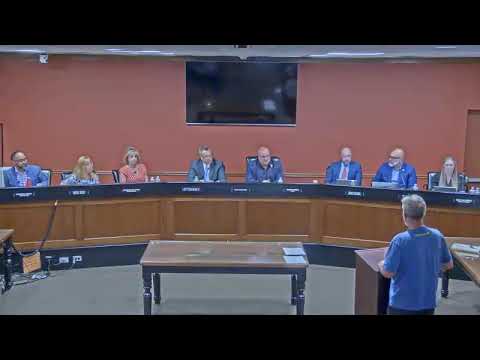
The Pompton Lakes Borough Council on June 12 introduced an ordinance to authorize a payment‑in‑lieu‑of‑taxes (PILOT) financial agreement for a redevelopment parcel and spent much of the meeting debating how redevelopment projects should be reviewed and approved.
Councilmembers voted to introduce Ordinance 24‑30, described in the meeting packet as authorizing a financial agreement to permit payment in lieu of taxes with Associates Urban Renewal LLC for Block 7400, Lot 11. Administrator Michael (role title appears in the transcript as "Administrator") told the council the developer has not yet received a certificate of occupancy and therefore has not started PILOT payments; he said the PILOT paperwork had been drafted years earlier but the final agreement was not executed and required coordinated attorney review before adoption.
The substantive portion of the meeting turned into a lengthy exchange about how redevelopment decisions are made in Pompton Lakes. Several councilmembers pressed for clearer use of Phoenix Advisors — the borough’s retained financial reviewer — to ensure that any PILOT or redevelopment agreement demonstrates a tangible fiscal benefit to the borough and that projects are financially viable before the borough commits to long PILOT terms. The municipal attorney outlined the formal process: the council can designate an area in need of redevelopment after a planning‑board study and state review, adopt a redevelopment plan, and then the redevelopment agency acts as the council’s agent to negotiate project and financial agreements that later return to the council for final approval.
Some members raised concerns that the redevelopment agency has become politicized and recommended a fresh look at a 15‑year‑old downtown redevelopment plan to ensure it matches current market conditions. Several councilmembers warned that if the council approves a redevelopment plan and later reverses course — for example, by denying a proposed project that conforms to an adopted plan — the borough risks litigation. The attorney said that legal risk exists whether review is handled through a redevelopment agency or through planning/zoning channels; the key protection is ensuring that the redevelopment plan and the financial analyses are thorough and defensible.
Council members asked for time to review the final PILOT agreement, including the finance agreement packet (which the administrator said was included in council materials). Multiple members urged the continued use of Phoenix Advisors to vet pilot terms before a final council vote. The meeting concluded with direction to circulate the redevelopment plan materials and consider a dedicated workshop so council members who were not part of earlier votes can review the plan and procedures.
Next steps: the ordinance was approved for introduction only; council members asked staff to circulate the final agreement and supporting Phoenix Advisors analysis so questions can be raised before any final adoption vote.