Get Full Government Meeting Transcripts, Videos, & Alerts Forever!
Get email alerts on the Community Colleges topic
No spam. Unsubscribe anytime.
Community colleges warn cuts would chip away at workforce pipelines, student supports
Summary
Leaders of New Jersey's 18 community colleges told the Senate budget panel that proposed FY2026 cuts — including a $20 million reduction in operating aid and eligibility changes to CCOG and Summer TAG — risked enrollment, program continuity and job‑training pipelines.
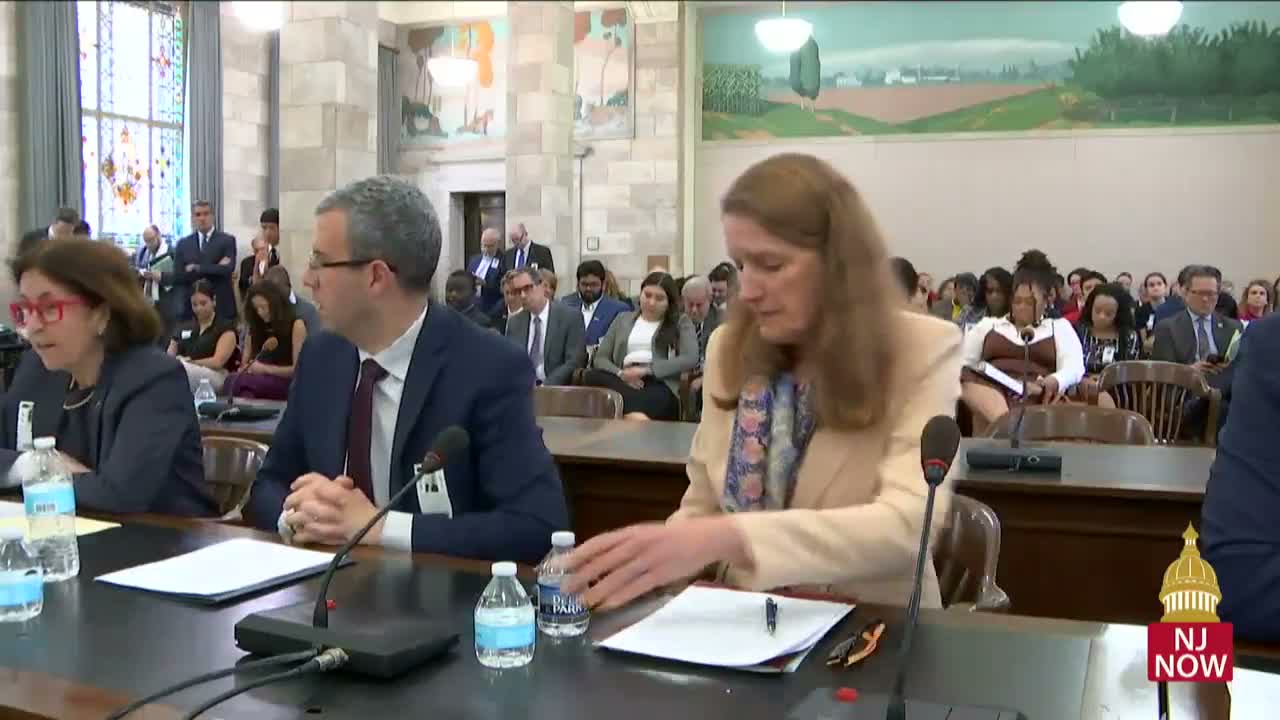
Trenton — Presidents of New Jersey's community colleges told the Senate Budget and Appropriations Committee that the governor's FY2026 proposal would force difficult tradeoffs for institutions that serve nearly a quarter‑million residents each year.
Margaret McMenemin, speaking for the sector, said the state's 18 community colleges educate about 240,000 residents and asked that lawmakers reinstate a proposed $20 million cut to county college operating aid. She and other presidents noted rising costs — including a cited $13 million increase in health‑care costs for the community college sector — and said cuts would risk program reductions and tuition pressure.
Officials described how community colleges provide rapid‑entry workforce programs and credit pathways that feed four‑year institutions. They said noncredit certificate programs such as certified medical assistant, practical nursing and respiratory care quickly place residents into higher‑wage positions and that budget reductions would jeopardize support services that help students complete credentials.
Senators pressed for details about individual line items; one member noted a $2 million line item for Union County College connected to a proposed building‑trades program. Department leaders said they would provide documentation and stand ready to help the Legislature evaluate requests.
The committee heard that many community colleges are seeing increases in applicants and adult learners returning for retraining, but presidents said the sector cannot absorb large across‑the‑board reductions without service cuts that would disproportionately affect low‑income, first‑generation and returning adult students.
Lawmakers signaled willingness to weigh restorations during final budget negotiations.