Get Full Government Meeting Transcripts, Videos, & Alerts Forever!
Get email alerts on the Higher Education Budget topic
No spam. Unsubscribe anytime.
Senate hearing: Higher education leaders urge restoration of FY2026 cuts to student aid and operating support
Summary
College leaders and the secretary of higher education warned that Governor Murphy's FY2026 proposal would slash operating aid and student supports — including Summer TAG and parts of the outcomes-based allocation — and urged the Legislature to restore roughly $70 million in operating aid and other program funding.
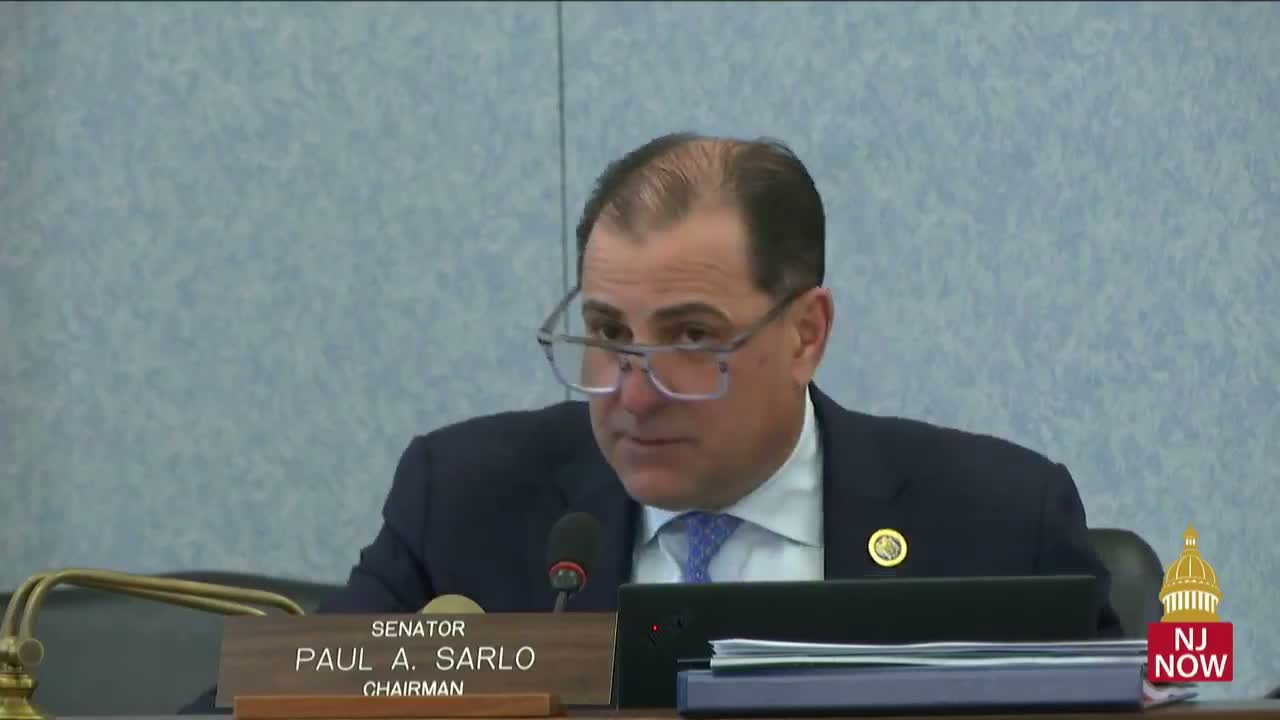
Trenton — Higher education officials and college presidents told the Senate Budget and Appropriations Committee on May 1 that Governor Murphy's proposed fiscal year 2026 budget would undermine recent gains in access and completion unless the Legislature restores cuts to operating and student-aid programs.
Dr. Brian Bridges, New Jersey's secretary of higher education, described investments under the Murphy administration that he said expanded access and completion, including a three-year $17.4 million initiative to reengage more than 11,200 stopped‑out adult learners. But he acknowledged the proposed budget trims funding across higher education and said the department stands ready to support legislative efforts to reinstate reductions.
Representatives of the New Jersey Higher Education Student Assistance Authority said the governor's plan includes an appropriation of more than $486 million for full‑time Tuition Aid Grants (TAG) for the coming academic year and that about 76,000 full‑time students received TAG this year. Still, HESA warned that a range of student‑facing programs are reduced or limited in the proposal: eligibility for the Community College Opportunity Grant (CCOG) and the Garden State Guarantee would be narrowed for new students with family incomes between $65,000 and $100,000, and Summer TAG has no appropriation in the governor's proposal.
"Summer TAG helped more than 13,000 students last summer," HESA's executive director said. "Restoring Summer TAG for summer 2026 would cost about $38 million." Secretary Bridges and HESA officials said summer 2026 operations would not be affected because funds already in place cover the upcoming term, but they urged the Legislature to consider funding for subsequent sessions.
The presidents' council and individual college leaders pressed for the restoration of cuts they said would otherwise force program reductions, tuition increases, or service contractions. The Presidents' Council asked the Senate to reinstate about $70 million in operating aid for public four‑year institutions, $20 million for community colleges, $8.6 million for independent public‑mission institutions and $30 million to restore Summer TAG for 2026.
Several senators emphasized the state's policy goals — including a previously stated target that 65% of working‑age adults hold a postsecondary credential by 2025 — and asked how those goals could be met if the state reduces student aid and operating support. Bridges replied that the governor's proposal reflected difficult fiscal choices but stressed the budget remains subject to legislative negotiation and that his office will provide data and support to advocates seeking reinstatement.
The committee heard repeatedly that the reductions would fall disproportionately on community colleges and smaller independent institutions and could affect enrollment pathways and workforce pipelines. Lawmakers said they would continue negotiations over the next several weeks with the intent to consider restoring some or all of the proposed reductions.
The committee adjourned the higher education portion of its session and scheduled continuation of its work during budget negotiations.