Get Full Government Meeting Transcripts, Videos, & Alerts Forever!
Get email alerts on the Idd Group Home Oversight topic
No spam. Unsubscribe anytime.
Senators press DHS on group-home siting, oversight and investigations after media reports
Summary
Lawmakers raised constituent concerns about residential group homes and oversight. DHS said it pays for services not development, has expanded monitoring under Stephen Komnenos law, conducted thousands of unannounced visits, and placed individuals on a central offender registry.
Senators used May 6 committee questioning to press DHS on reports about residential group homes in local neighborhoods and the department's capacity to oversee care and investigate allegations of abuse or neglect.
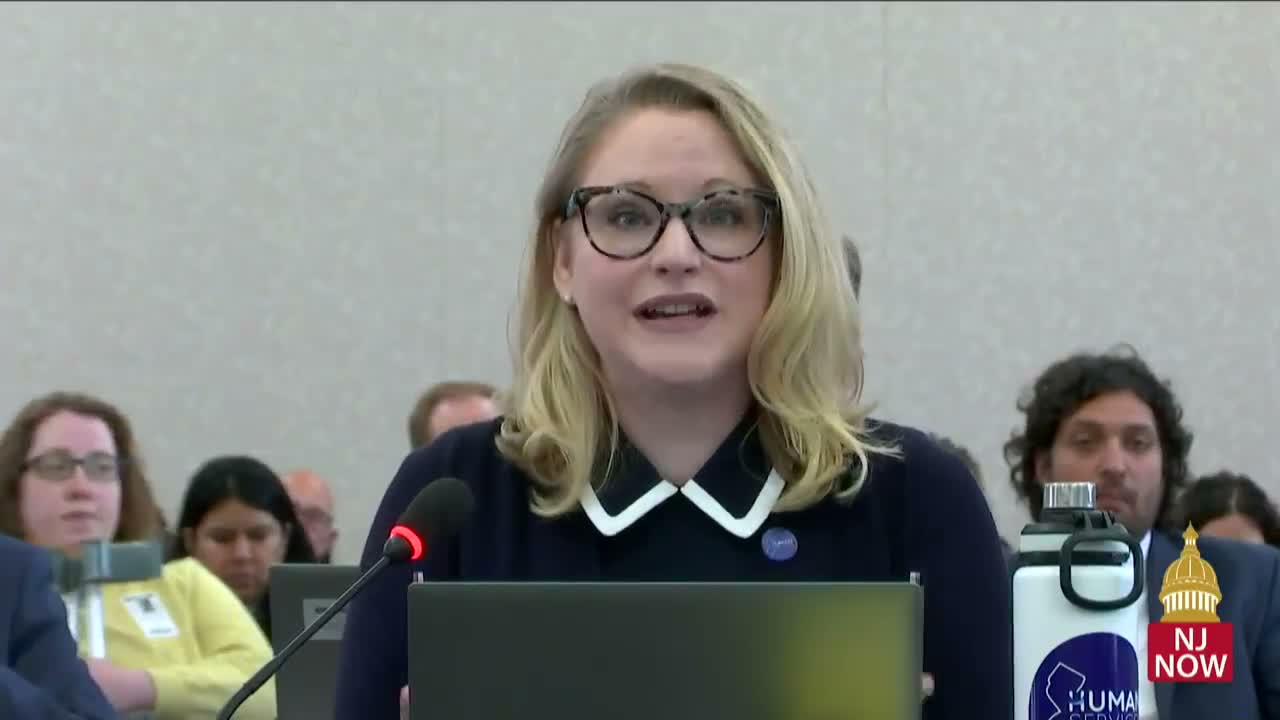
Commissioner Sarah Edelman told the committee DHS funds services for group-home residents rather than development of facilities and emphasized the department's focus on person-centered community supports. She cited administrative reforms and monitoring activity during the Murphy administration: "We've conducted over 22,000 unannounced site visits across 2,200 adult residential settings... In these visits, we've identified more than 1,300 incidents... And unfortunately... we've placed 283 individuals on the central registry of offenders against individuals with developmental disabilities." Edelman said many reforms stem from implementation of the Stephen Komnenos law (transcript referenced the statute variably), which she described as increasing guardian notifications, unannounced visits and monitoring requirements.
Senators asked whether DHS staffing and investigative capacity is adequate and whether the department investigates all suspicious deaths and serious incidents. DHS said it has over 200 staff in relevant units with about 45 investigators in the office of investigations and that all allegations of abuse, neglect or exploitation that meet the department's thresholds are routed to the office for investigation. DHS described a two-tier system: providers conduct routine incident reports and the department's office of investigations handles moderate or major injuries and allegations that indicate harm, with escalation to law enforcement when criminal conduct is suspected.
Lawmakers also sought clarity on transparency: the ombudsman's report was read into the record noting that agency-led investigative reports are not always shared with families without court orders. DHS said statutory limits and privacy rules govern some disclosures, but the department is pursuing legislation to create a disability mortality and abuse-prevention advisory committee and a director of medical services to strengthen reviews and medical oversight of investigations.
Senators asked for further written details on timelines, the date the FBI fingerprinting data connection was restored (a background-check issue raised earlier), and the department said it would follow up on those operational items.
DHS's description of expanded oversight, staffing levels, and referral rules informed senators' concerns about siting, local zoning, accountability, and the mix of provider-led and state-led investigations; committee members sought additional documentation and codified reporting paths for families and guardians.