Get Full Government Meeting Transcripts, Videos, & Alerts Forever!
Get email alerts on the Veterans Transportation topic
No spam. Unsubscribe anytime.
Lawmakers press DAMAVA on veterans transportation funding and rural access
Summary
Senators pressed Department of Military and Veterans Affairs officials on stagnant veterans transportation funding, reliability complaints in rural areas, and a Veterans Transportation Working Group tasked with recommendations; DAMAVA says counties receive reimbursements and the working group is evaluating best practices.
Senators at the May 8 Senate Budget & Appropriations Committee hearing pressed Department of Military and Veterans Affairs officials on long-standing gaps in veterans transportation that leave some rural veterans struggling to reach VA medical appointments.
Committee members noted that state appropriations for veterans transportation have been essentially flat for decades: "The $335,000 appropriated to the services in fiscal year 2025 is only slightly higher than the $300,000 appropriated a quarter century ago," one senator said. The proposed FY2026 budget would likewise appropriate $335,000 for the program, prompting concerns that the line has not kept pace with inflation or increased demand.
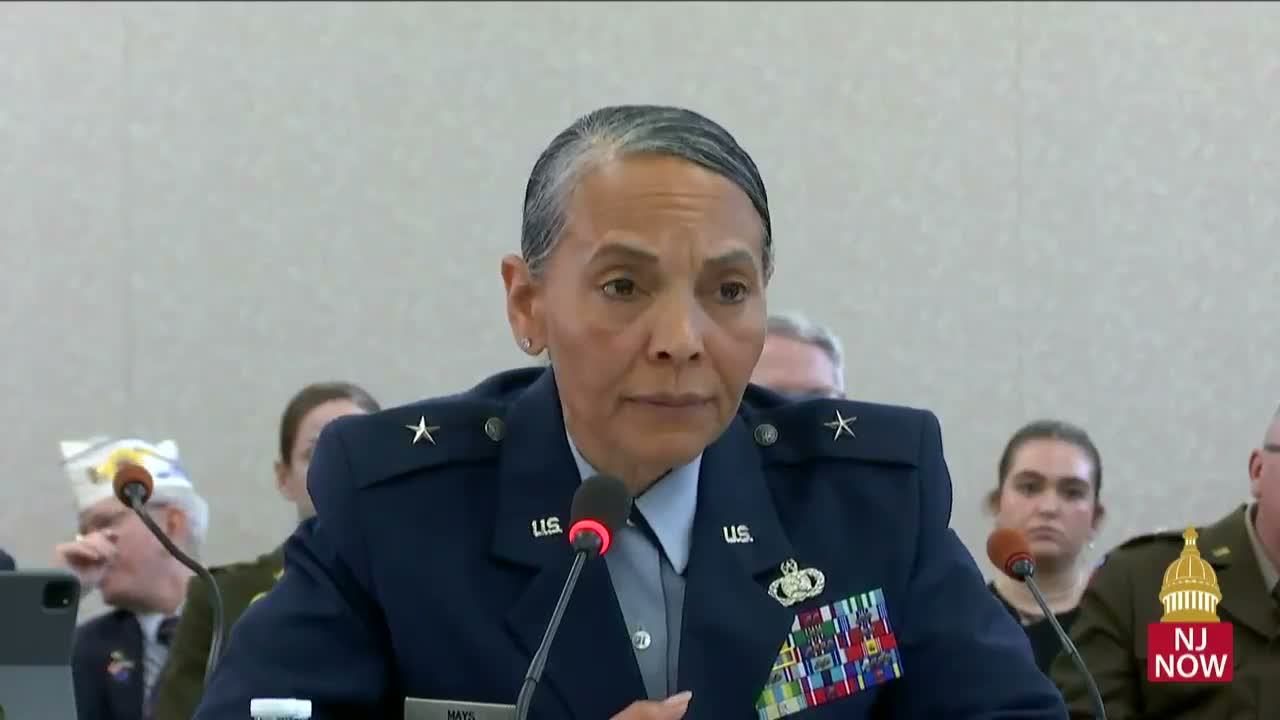
Brig. Gen. Yvonne Mays and Deputy Commissioner Vincent Salomino described DAMAVA’s Veterans Transportation Working Group and its collaboration with county governments and the federal VA. Salomino said the department reimburses counties for rides and that, between July and January of FY25, the state-funded program supported more than 14,000 rides. "We fund the county governments to provide this transportation," he said, noting that Monmouth County used the funds to pilot improvements DMV staff highlighted as a best practice.
Committee members from rural districts said veterans report long waits and unreliable service that can cause missed appointments. Lawmakers asked whether the working group has produced concrete recommendations such as expanding AccessLink (a paratransit system) or issuing a standardized transit card for veterans; DAMAVA said the group is actively assessing best practices and has been conducting on-site reviews at VA hospitals to examine trip distances and access barriers.
Mays said the department has not refused county requests for additional funding when made and reiterated that transporting veterans to VA care remains a federal responsibility, but that "it takes a whole of government" approach. She asked counties and legislators to share promising local practices for scaling across the state.
Senators asked DAMAVA to return with the working group’s recommendations, more granular usage data, and answers about whether the governor’s proposed budget request should be adjusted to reflect higher operating needs for veterans transportation in rural areas.