Get Full Government Meeting Transcripts, Videos, & Alerts Forever!
Get email alerts on the Medicaid Budget topic
No spam. Unsubscribe anytime.
DHS warns of multibillion-dollar federal Medicaid, SNAP threat; budget holds targeted investments
Summary
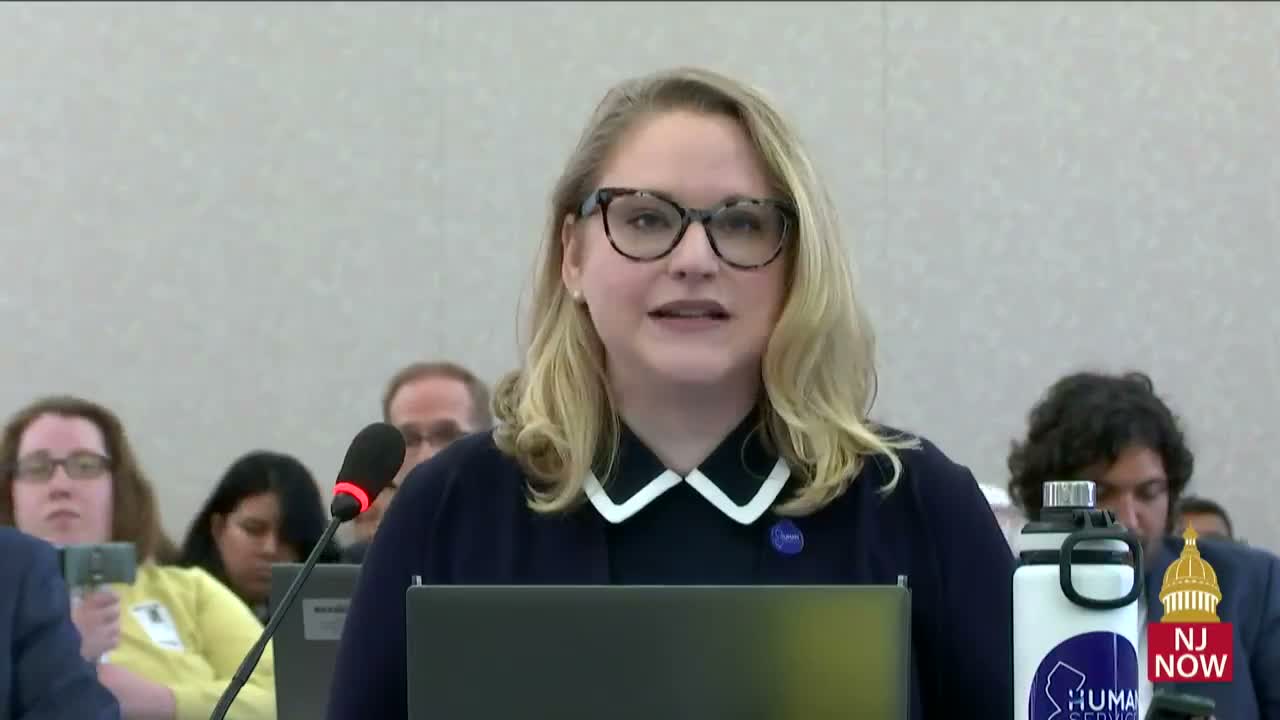
At a May 6 Senate Budget hearing, DHS Commissioner Sarah Edelman told legislators that proposed federal changes to Medicaid and SNAP could cost New Jersey billions annually. The governor's FY26 budget maintains targeted Medicaid and workforce investments while avoiding assumptions about hypothetical federal cuts.
Commissioner Sarah Edelman told the Senate Budget and Appropriations Committee on May 6 that New Jersey faces a substantial fiscal risk if Congress adopts proposals to reduce federal Medicaid and SNAP funding. "There is simply no way to achieve such dramatic savings without drastic and painful cuts to New Jersey's Medicaid and SNAP programs," Edelman said, warning the committee the state could face between $2 billion and $10 billion in annual federal Medicaid funding losses under the proposals she reviewed.
The governor's FY26 proposed budget does not assume those cuts, Edelman said, and instead reflects the department's recommended course under current federal law. New Jersey Medicaid is a roughly $24 billion program, she said, with about $14 billion in expected federal support and $10 billion in state share. "Should massive federal funding losses occur during the upcoming fiscal year, it will require the governor, department, and legislature to work together to react and respond," Edelman said.
Despite those risks, the budget includes several direct investments in human services. Edelman highlighted a roughly $45 million combined state-and-federal package to raise Medicaid primary-care reimbursement from an average of about 58% to 70% of the Medicare fee schedule, an increase she described as a "critical first step" to address underpayment of primary care providers. The proposal also includes wage increases targeted to the care workforce: about $18.6 million for the personal preference program, roughly $18.2 million for direct support professionals serving individuals with intellectual and developmental disabilities (raising average wages to more than $21/hour), $7.2 million for certified nursing assistants in nursing homes, and $1.8 million for child-care worker wages.
Edelman said the budget continues a $67 million nursing-facility increase from the prior year and funds PACE expansion across all 21 counties. She also told senators DHS is bracing for uncertainty after federal action in March that terminated roughly $11 billion in public-health grants nationwide, which she said removed roughly $350 million in intended federal funds for New Jersey through the end of FY26 and affected dozens of mental-health and addiction provider contracts.
Committee members pressed DHS on programmatic safeguards and past audit findings. Edelman said DHS has implemented additional automated income-verification sources and uses federal and state data when reviewing eligibility. She also noted that some audit-identified issues (for example, placeholder Social Security numbers used for newborns) had plausible administrative explanations and that the department did not identify systemic fraud in the audit follow-up. Senators pressed for follow-up documentation on several items, and Edelman agreed DHS would return to the committee if federal funding changes materialize.
The committee requested additional written detail on several budget line items and program metrics, including the use of one-time Horizon Blue Cross Blue Shield funds in Family Care, enrollment trends for the Cover All Kids initiative, and the department's estimates of federal funds flowing through DHS programs. Edelman provided several numeric anchors in testimony: 867,000 children insured through Cover All Kids; an estimated FY27 full implementation cost for 988 of about $67 million annually; and a department appropriation request totaling roughly $33.5 billion (the bulk of which Edelman said is federal funding). The department committed to providing supporting documentation and follow-up answers to the committee.