Get Full Government Meeting Transcripts, Videos, & Alerts Forever!
Get email alerts on the Mental Health topic
No spam. Unsubscribe anytime.
DHS seeks telecom fee to fund 988 expansion as federal grants are pulled back
Summary
DHS told the committee the 988 crisis continuum will cost about $67 million a year at full implementation and proposed a $0.40 monthly telecom fee per line to fund the system after federal grants were curtailed; lawmakers pressed for assured dedication and alternatives to a per-line surcharge.
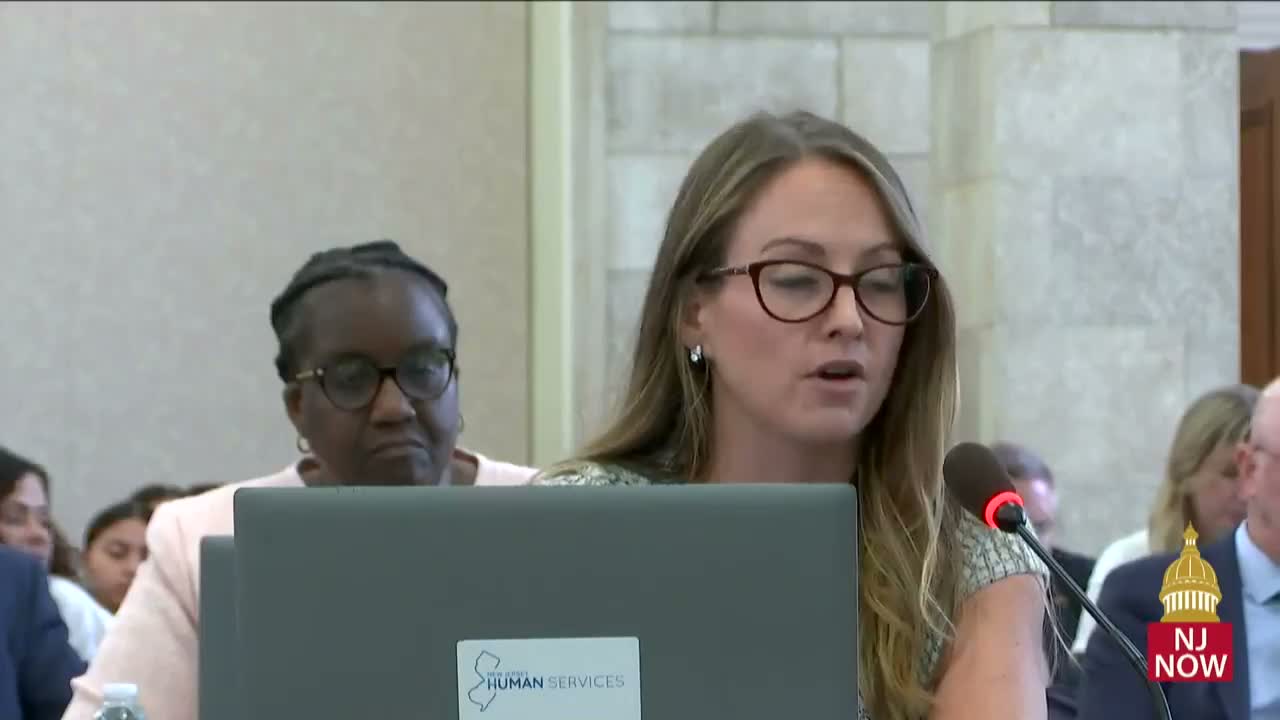
DHS leaders urged the Senate Budget & Appropriations Committee on May 6 to consider recurring state funding for the state's 988 suicide and crisis lifeline as federal grant support has been reduced.
Commissioner Sarah Edelman said New Jersey's 988 system has handled more than 56,000 calls since its July 2022 launch and that the proposed comprehensive continuum will cost roughly $67 million annually at full implementation. To secure recurring state support, the administration proposed a $0.40-per-month telecom fee assessed per phone line to generate revenue for the program.
Lawmakers pressed DHS on the fairness and structure of a telecom surcharge, noting households can have multiple lines and that other telecom-related fees have at times been diverted in past budgets. Edelman and staff said federal statute limits how 988 funds may be used and that the administration would pursue state legislation to dedicate the fee to the 988 system and avoid diversion.
DHS also described how Bamboo Health, an existing vendor, will expand functionality it already provides for 988 dispatch services, and that additional funding in the governor's proposal represents an expansion of existing contract work rather than a separate competitive award.
Committee members asked DHS for alternatives if the fee is not adopted and sought assurances that appropriations would be protected. DHS said the $0.40 fee is one option; the department would also consider general-fund or other dedicated mechanisms but emphasized the need for stable revenue to maximize services and sustain the mobile crisis outreach teams now rolling out statewide.
The committee requested follow-up detail on projected revenue, the statutory mechanism for dedication, and how many lines would be subject to the fee in typical households.