Get Full Government Meeting Transcripts, Videos, & Alerts Forever!
Get email alerts on the Medicaid topic
No spam. Unsubscribe anytime.
DHS warns of steep federal Medicaid, SNAP cuts; Murphy budget holds baseline amid uncertainty
Summary
DHS Commissioner Sarah Edelman told the Senate Budget & Appropriations Committee that congressional proposals could cost New Jersey $2—$10 billion in federal Medicaid funding and billions in SNAP assistance, and described the FY26 budget as preserving current services while avoiding assumptions about yet-unpassed federal changes.
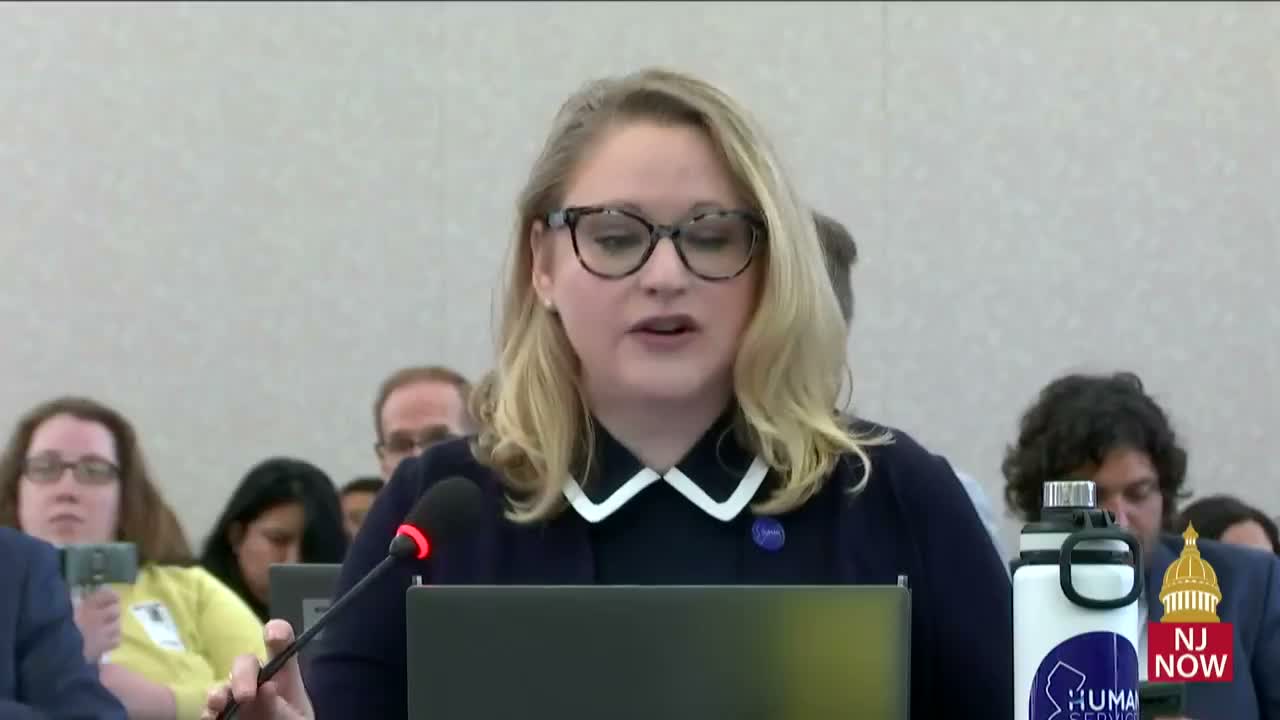
Commissioner Sarah Edelman told the Senate Budget and Appropriations Committee on May 6 that sweeping federal proposals now being discussed in Congress could force "dramatic and painful cuts" to New Jersey's Medicaid and SNAP programs.
Edelman, who leads the New Jersey Department of Human Services, said Congress is considering roughly $880 billion in Medicaid savings and $230 billion in food-program reductions over 10 years and that New Jersey's exposure could be anywhere from $2 billion to $10 billion a year in lost federal Medicaid funding. She said the administration did not build those hypothetical reductions into the governor's FY26 proposal and called for cooperation between the governor's office, the department and the Legislature should cuts materialize.
The governor's FY26 budget, Edelman said, reflects policy under existing federal law. It preserves major programs including the "Cover All Kids" initiative, which she said now covers about 867,000 New Jersey children after data-matching and outreach efforts added roughly 90,000 youngsters. Edelman also highlighted a combined roughly $45 million investment to raise Medicaid primary-care reimbursement from about 58% to 70% of the federal Medicare fee schedule and multiple wage increases intended to shore up the care workforce.
Edelman told lawmakers that an abrupt March 24 federal action terminated nearly $11 billion in public-health grants nationwide, including roughly $350 million earmarked for New Jersey through the end of FY26. She said those cuts forced more than 300 providers to pause services and hit programs that supported 988 crisis response, fentanyl overdose prevention, youth mental-health first aid, mobile addiction recovery units, and services for seniors.
On SNAP, Edelman said each 5% shift of benefit funding from the federal government to states would add roughly $100 million in state costs. She reiterated that the administration is trying to preserve core services while preparing contingency options, including changes to eligibility, covered services, and provider reimbursement if federal funding is reduced.
The committee pressed DHS on other revenue choices in the budget, including one-time sources such as a previously received Horizon Blue Cross Blue Shield payment that DHS staff said was used to help meet family-care costs this year but will not recur next year. Edelman said the administration was treating that and similar infusions as one-time fiscal resources and planned to expend them on authorized, near-term needs rather than recurring obligations.
Lawmakers asked for follow-up details on several items, including a department analysis included in the committee materials showing where the $2—$10 billion in potential cuts would land and a department accounting of federal funds that flow through DHS. Edelman gave the committee a FY26 recommended appropriation total of $33.5 billion to DHS, saying about $10.5 billion is state funding and the balance federal.
The hearing closed with a committee request that DHS return if federal policy changes materialize or if further clarification is needed; the chair set a follow-up for the fall if necessary.