Get Full Government Meeting Transcripts, Videos, & Alerts Forever!
Get email alerts on the Parole Reform topic
No spam. Unsubscribe anytime.
Senate hearing questions governor’s parole ‘technical‑violation’ proposal; parole board defends current practice
Summary
Senators pressed the State Parole Board and NJDOC about a governor‑circulated two‑pager that would change how technical parole violations are handled, arguing it could let serious offenders avoid timely consequences; parole officials said New Jersey’s revocation rate is low, most revocations follow graduated sanctions, and a consultant’s report recommends data tools rather than wholesale policy change.
Senator Steinhardt and several colleagues pressed the State Parole Board on a governor’s circulating two‑page proposal that would significantly limit revocations for so‑called “technical” parole violations.
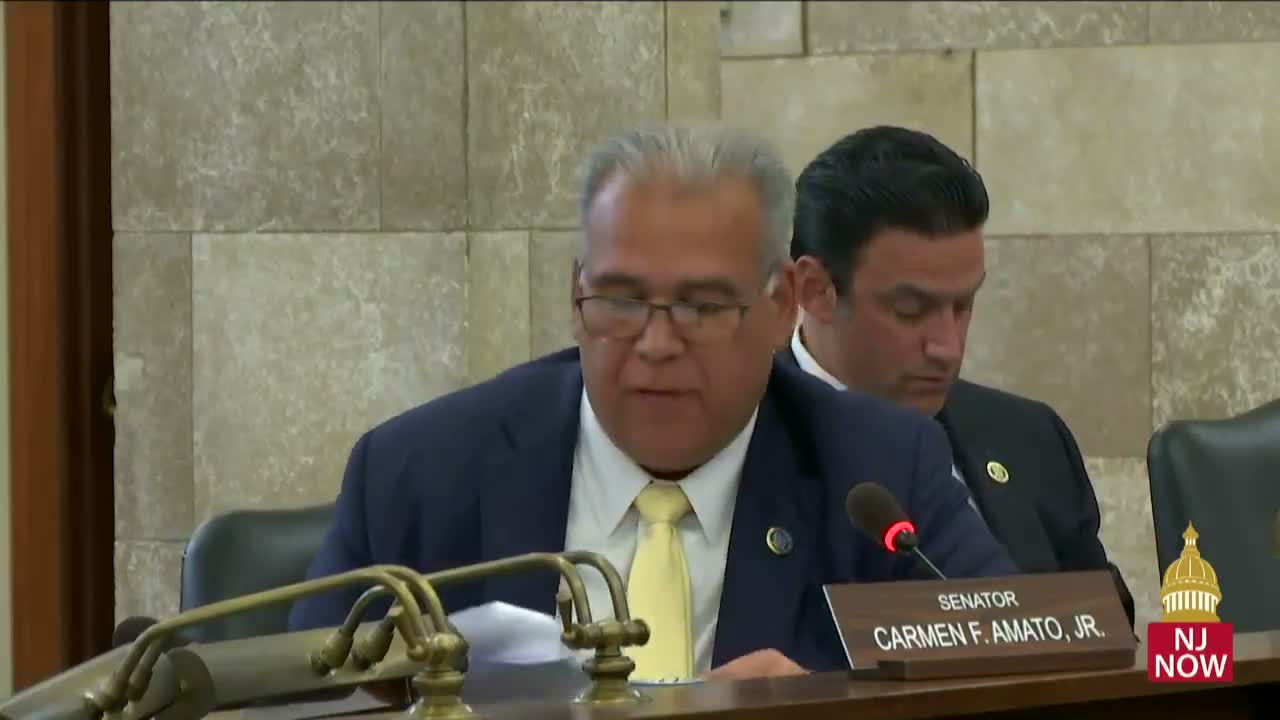
At a session of the Senate Budget Committee, lawmakers described the governor’s memo as implying that many people are being revoked for trivial matters such as missing an appointment, failing to obtain permission to relocate, or not reporting an address. “That’s the lie that is being told,” Senator Steinhardt said, arguing the proposal risks public safety if applied to serious offenders.
Parole Chairman Sam Plummery and parole staff pushed back on that characterization. They explained the board distinguishes between criminal violations and supervision‑condition breaches and said the administrative process already uses graduated sanctions and remedial steps before revocation. Parole staff said pending criminal charges can be administratively handled as technical violations until adjudicated, but not all technical violations are low‑risk; many involve pending criminal conduct and comprehensive supervision conditions.
Committee members cited data and research during the exchange. Parole staff said New Jersey’s revocation rate is currently about 6.45%, compared with a national average near 10.65%, and credited programming and supervision for keeping recidivism low. The department reported that earlier in the year staff counts showed roughly 1,040 technical‑parole‑violation referrals in custody (804 revoked; the remainder in the revocation process), and that technical‑violation counts can include individuals with pending criminal charges.
Several senators challenged the analytic basis the governor’s memo relied on. They said the Pew study cited in the memo largely concerns probation and low‑risk populations and therefore may not translate to parole populations that include long‑term, mandatory‑supervision and sex‑offender cases. Parole staff and the board said the consultant the state hired (a National Institute of Corrections expert) prepared an assessment and recommended development of a structured remedial tool and better IT/data collection; the board said it would provide that report to the committee.
The committee’s discussion focused on two related policy features the two‑pager would change: (1) a stepwise set of zero‑day revocations for first and second violations and short stays for the third offense, and (2) expanding eligibility for 1:1 earned compliance credits (one day credit for one day served) to more categories of supervised people, including those currently under the No Early Release Act. Parole staff warned those changes could shorten effective sanctions for individuals in long residential treatment programs and reduce time available to deliver services tied to supervision decisions.
Several lawmakers said they are open to evidence‑driven reforms but emphasized that any statutory changes should follow the parole board’s data, the consultant’s recommendations, and careful legislative review to avoid unintended harms to victims and public safety. The hearing closed with committee members requesting the parole consultant’s report and other underlying data prior to any bill drafting.