Get Full Government Meeting Transcripts, Videos, & Alerts Forever!
Get email alerts on the Education Budget topic
No spam. Unsubscribe anytime.
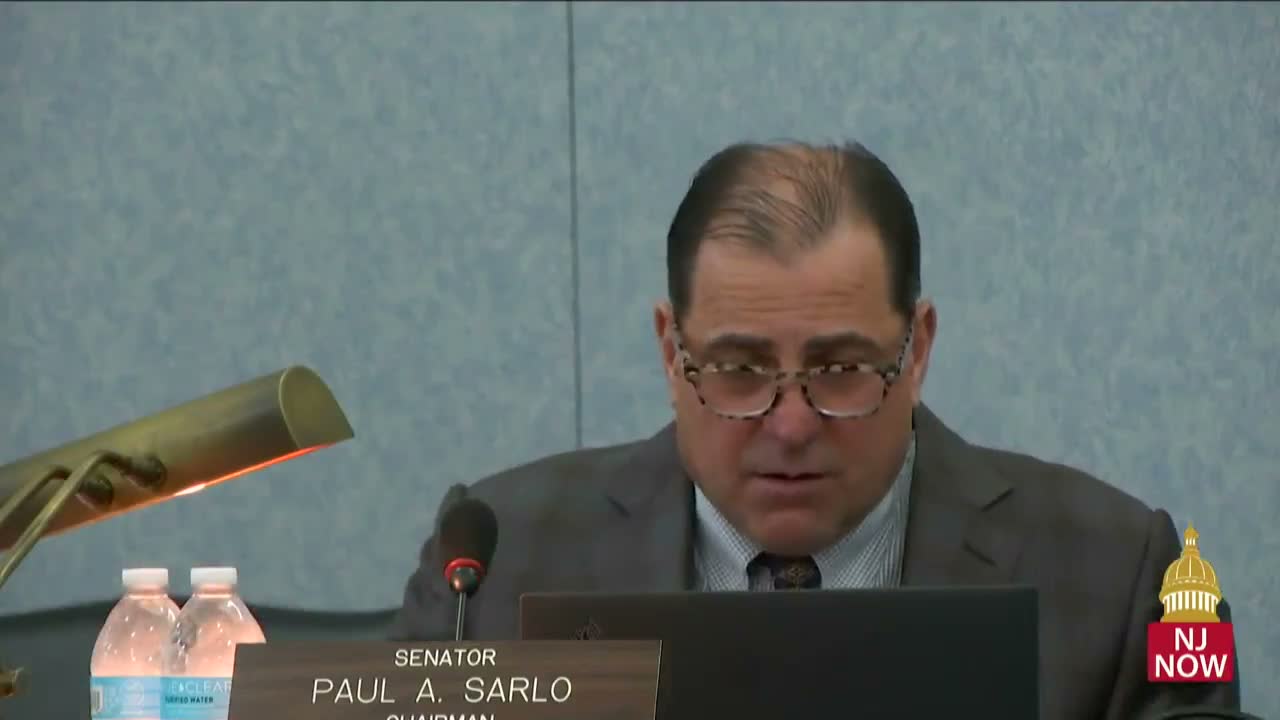
Senate panel reviews Murphy's $22.2 billion education proposal; lawmakers spar over formula tweaks and aid caps
Summary
Department of Education Commissioner Kevin Demmer told the Senate Budget and Appropriations Committee that the FY2026 proposal would invest $22.2 billion in education, with $12.1 billion in direct formula aid and targeted increases for special education and preschool. Senators pressed officials over caps that limit aid increases to 6% and a 3% floor on reductions.
The Senate Budget and Appropriations Committee heard from Department of Education Commissioner Kevin Demmer on a proposed FY2026 education budget that Demmer called "a historic $22.2 billion" investment in New Jersey schools. The proposal would provide about $12.1 billion in direct formula aid, an increase the department said is roughly $400 million above FY2025 levels.
The administration proposes a number of changes to the school funding formula designed to smooth local share calculations and better reflect district costs. "Rather than relying on a single year property valuation and income data, the proposal incorporates multiple years of data to determine each district's local share," Demmer said, adding the budget updates cost measures and shifts special education aid from a census basis to a district enrollment basis.
Why it matters: Committee members said the changes will affect districts unevenly. Several senators described districts that lost substantial aid under the earlier S2 implementation and said the new caps — a 6% limit on increases and a 3% floor on decreases applied to four major aid categories — prevent some recovering districts from receiving the full increases formula calculations would otherwise provide.
Senator Testa, citing local examples, said some districts endured deep cuts for years and that a 6% increase "almost seems like a slap in the face" after prolonged losses. Demmer defended the package as a balance between providing predictability and the fiscal realities of a tighter state budget: the 3% floor on reductions, he said, was intended to give districts a planning baseline and required resources that constrained how far increases could go elsewhere.
Special education and targeted programs: The department told the panel it plans a large increase for special education in FY2026. Demmer said categorical special education funding would rise by roughly $403 million in a single year and that total state support for special education would be about $2.2 billion in the proposal. The budget also includes $1.3 billion for preschool (with $10 million for expansion), $7.5 million for high-impact tutoring grants and $3 million in grants aimed at phone-free school environments.
Procedure and next steps: Officials said some items remain contingent on final federal allocations and the appropriations act. The department also urged monitoring of the formula changes as a multi-year effort, and several senators said they will pursue legislative remedies or supplemental aid during the final budget negotiations.
What officials said next: Demmer asked the committee to view the proposal as a transitional plan ahead of a statutory formula overhaul that may be taken up by the next administration, and he invited committee requests for follow-up documentation about special grants and the formula's technical details.
The panel recessed after two-and-a-half hours of questioning; no formal votes were taken on the floor during the hearing.