Get Full Government Meeting Transcripts, Videos, & Alerts Forever!
Get email alerts on the Housing Eviction Policy topic
No spam. Unsubscribe anytime.
Committee advances homelessness‑prevention substitute tying higher eviction fees to prevention funds after heated debate
Summary
A committee substitute combining homelessness‑prevention updates and an increase in eviction filing fees was reported after extended testimony from landlords, legal‑aid, housing advocates and the Coalition to End Homelessness, who sharply disagreed about likely effects on tenants and landlords.
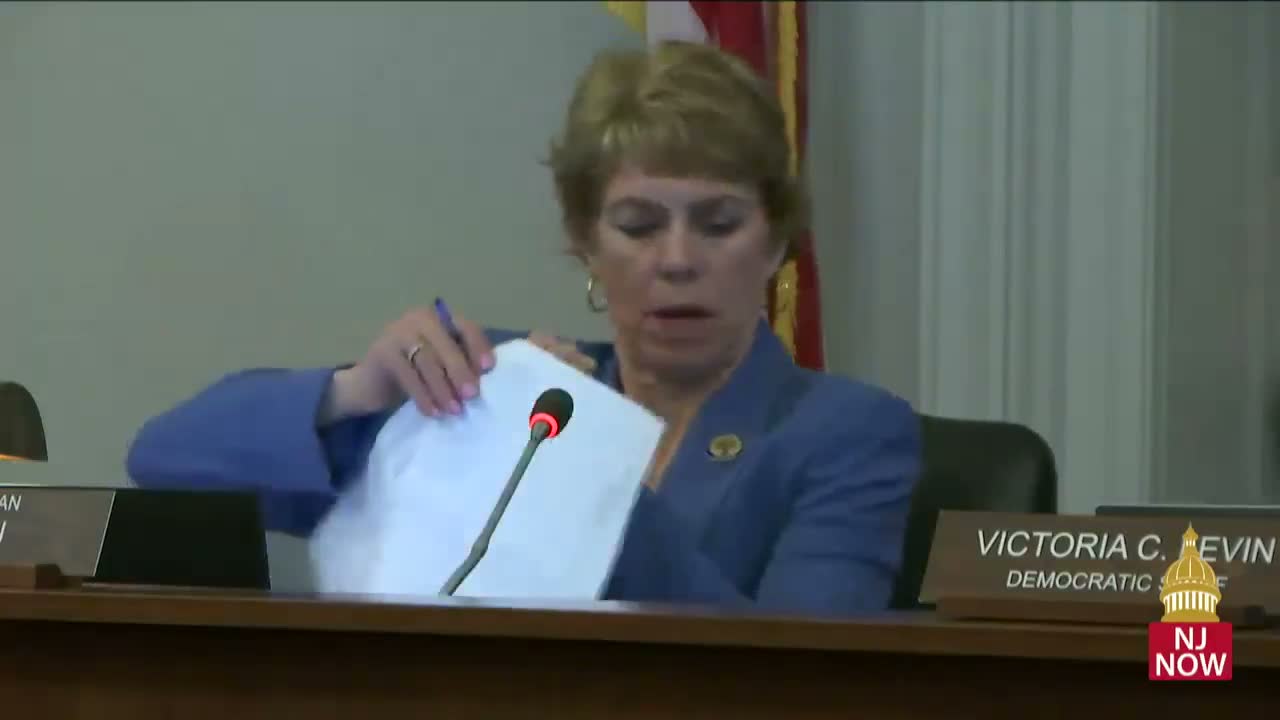
The Assembly Appropriations Committee on May 15 reported a committee substitute combining Assembly Bill 32 82 and Assembly Bill 49 64, a measure that revises the state’s homelessness prevention program, appropriates funds and proposes changes to eviction filing fees to support eviction prevention services.
Landlord representatives argued the fee increase would raise operating costs and could be passed to tenants. David Brogan of the New Jersey Apartment Association told the committee the bills would increase eviction filing fees substantially and that landlords could not recoup the new fee even if they prevailed in court. “If we were to use the same concept in wage violations... you would be required to pay a fee… even if you prevailed in the case,” he said, arguing the proposal treats landlords unfairly and would increase housing costs.
Legal Services of New Jersey expressed a mixed position. The witness identified in the record as representing Legal Services said the homelessness prevention program changes contained “some expansion and simplification” that they support, but they oppose the eviction‑fee component as written because it could be passed on to already rent‑burdened tenants. “We believe that even with some of the protections that have been added into this bill… these costs still ultimately get passed to a tenant,” the witness said.
Housing advocates urged the committee to approve the substitute, saying higher filing fees could fund eviction diversion, rental assistance and legal counsel to prevent homelessness. Matthew Hirsch of the Housing and Community Development Network said raising the fee to $150 (language discussed earlier) would generate revenue for eviction prevention and that the bill had been amended to a $75 increase during drafting. Rubin Stegwitz of the Coalition to End Homelessness stressed the scale of need, citing a 45% increase in homelessness in New Jersey over two years and urging changes that prevent people from entering the homelessness system.
Committee members sought data on fee impacts and discussed fee waivers for low‑income filers, the comparative cost of evictions to landlords and whether the fee would reduce serial filings. After extended questioning and debate, the committee substitute was reported.
Next steps: The committee substitute was reported and will proceed through the legislative process. Sponsors and opponents signaled intent to continue negotiations about fee levels and anti‑pass‑through safeguards.