Lifetime Citizen Portal Access — AI Briefings, Alerts & Unlimited Follows
Medicare open enrollment: what beneficiaries in South Carolina need to know
Loading...
Summary
Crystal Strong of the South Carolina Department on Aging reviewed enrollment windows, Parts A–D coverage, penalties for late enrollment, and free SHIP counseling during the Oct. 15–Dec. 7 open enrollment period.
Crystal Strong, the State Health Insurance Assistance Program and Senior Medicare Patrol program director at the South Carolina Department on Aging, outlined key steps beneficiaries should take during Medicare open enrollment and where to get free, unbiased help.
Open enrollment runs each year from Oct. 15 through Dec. 7, with coverage of any changes becoming effective Jan. 1. "Open enrollment period is going on now. It started October 15. It lasts through December 7," Strong said, urging listeners to review their plans now rather than waiting. She emphasized that the period is the main annual opportunity to enroll in or switch prescription drug (Part D) plans and Medicare Advantage plans or to disenroll and return to traditional Medicare.
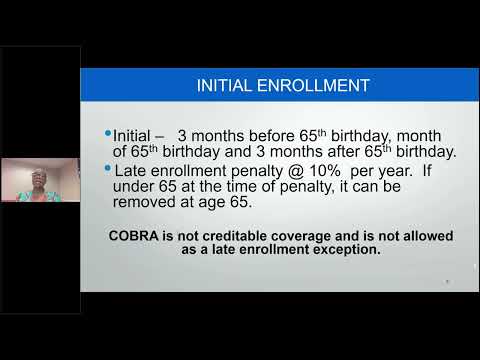
Why it matters: missing initial or timely enrollment can lead to financial penalties. Strong warned that a late‑enrollment penalty for Part B — typically assessed at roughly a 10% increase per year for missed enrollment — can remain lifelong if first missed at age 65 or older. She also described the General Enrollment Period (Jan. 1–Mar. 31) and the Medicare Advantage open enrollment period (Jan. through Mar. 31), which allows beneficiaries already enrolled in an Advantage plan to switch plans or return to traditional Medicare.
What each Medicare part covers: Strong summarized the four parts of Medicare. Part A covers inpatient hospital stays, skilled nursing facility rehab (after a 3‑day inpatient hospital stay), home health, and hospice. Part B covers physician services, durable medical equipment, ambulance services, lab and preventive services, and certain vaccines. She gave the current Part B premium as $174.70 and noted the 2025 figure had not yet been announced. Part C refers to Medicare Advantage plans — private plans contracted by CMS that may offer additional benefits such as vision or dental but have varying provider networks and cost-sharing. Part D is optional prescription drug coverage offered as a stand‑alone PDP or within many Advantage plans; a late‑enrollment penalty (about 1% of the national average plan per month without credible coverage) can apply if beneficiaries go without credible drug coverage for extended periods.
Enrollment mechanics and help: beneficiaries can enroll online at Medicare.gov, at local Social Security offices, or by phone. Strong highlighted SHIP’s free one‑on‑one counseling and said South Carolina is divided into 10 SHIP regions with local coordinators who can help compare plans, confirm network providers, and assist with enrollment forms. "We actually can do 1 on 1 counseling with you," Strong said.
Special notes and exceptions: COBRA is not creditable coverage for avoiding Part B late‑enrollment penalties, and going more than 63 days without credible drug coverage can create a Part D penalty. Special Enrollment Periods exist for certain life events — for example, moving out of a service area or losing employer coverage — and beneficiaries have eight months after employment‑based coverage ends to enroll in Part B without penalty. Strong also mentioned that FEMA‑ or state‑declared disasters can result in case‑by‑case extensions but said those extensions are not automatic and must be requested through Medicare.gov.
Bottom line: Strong urged beneficiaries to act promptly during open enrollment, compare plans carefully (including provider networks), and contact their local SHIP coordinator or the national Medicare line for assistance. The most recent procedural step in this presentation was the guidance to enroll or review plans before Dec. 7 so coverage changes take effect Jan. 1.