Get Full Government Meeting Transcripts, Videos, & Alerts Forever!
Get email alerts on the Sober Living Zoning topic
No spam. Unsubscribe anytime.
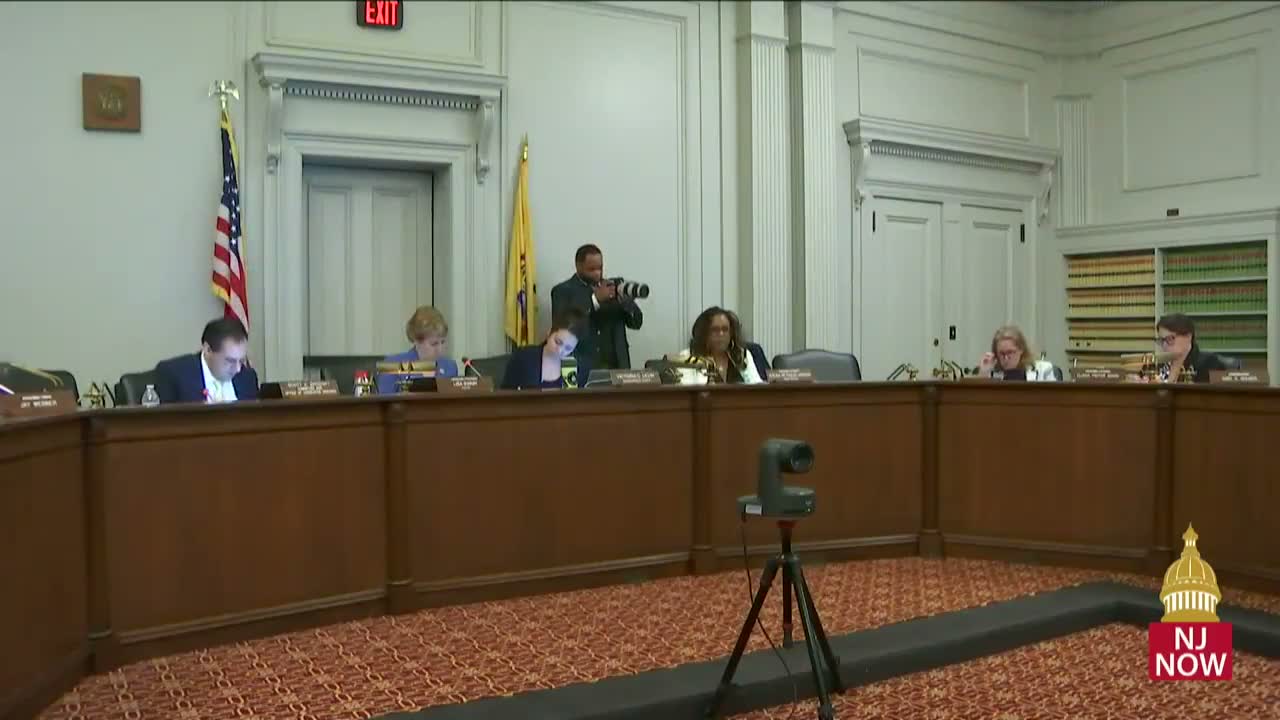
Assembly committee advances bill letting municipalities enforce zoning requirements on cooperative sober‑living homes amid provider opposition
Summary
The Assembly Appropriations Committee reported A3981, a bill that would subject certain sober‑living and rooming houses to municipal land‑use rules. Providers warned zoning changes, fines and inconsistent enforcement could reduce bed capacity and conflict with federal fair‑housing protections.
The Assembly Appropriations Committee on May 15 reported Assembly Bill 3,981, which would subject certain rooming and boarding houses and cooperative sober‑living residences to municipal land‑use regulations and license approval requirements. The measure drew sustained opposition from recovery‑housing operators and advocates who said it would reintroduce local NIMBY barriers and raise costs for facilities already operating on thin margins.
Daniel Regan, representing the New Jersey Coalition of Treatment Providers, told the committee the bill raises unresolved regulatory conflicts that have already harmed providers, including enforcement actions tied to unclear definitions. “We have come together to advocate for fair and inclusive legislation,” Regan said, and later urged caution: “I strongly believe that it requires further consideration before it is passed.”
Providers and advocates described several concrete points of concern. Witnesses said regulatory language and prior DCA enforcement left open whether the widely used “Oxford model” would be treated as an exempt nonprofit entity; Daniel Regan said a DCA representative’s position led to fines against houses that had understood themselves to be exempt. Providers flagged specific municipal zoning rules—examples cited included a 300‑foot separation requirement from schools or drug‑free zones and parking demands of one space per resident—that they said effectively eliminate viable sites in some townships.
Robbie Gedati, co‑chair of the Garden State Affiliates of Recovery Residences and a person with lived experience, urged lawmakers to preserve single‑family, Oxford‑style houses that operate without paid staff. He cited City of Edmonds v. Oxford (1995) and the Federal Fair Housing Act as legal precedent protecting recovery housing from discriminatory land‑use treatment.
Supporters of the bill, including some who said standards would improve oversight and accountability, were not a large contingent at the hearing. Committee members heard multiple speakers who warned that municipal permitting and high zoning costs—testimony referenced legal fees of roughly $15,000 to obtain special‑use approvals in some examples—would deter landlords and reduce bed availability. Committee Chair indicated she would relay opposition concerns to the sponsor for further discussion but nonetheless recorded a favorable committee report.
What happens next: the bill was amended and reported by the committee and will move to further consideration in the legislative process. Committee members were asked to engage with providers and DCA staff to clarify definitions and zoning implications before later floor consideration.