Get Full Government Meeting Transcripts, Videos, & Alerts Forever!
Get email alerts on the Drought topic
No spam. Unsubscribe anytime.
Portland adopts Stage 3 drought restrictions as reservoirs fall under 20%
Summary
City officials said Portland has declared Stage 3 drought to mirror Corpus Christi after combined reservoir storage fell to about 19.8%. The stage imposes nonessential water use limits, aims for roughly 30% consumption cuts and carries fines for violations; enforcement is set to begin with warnings through Jan. 1.
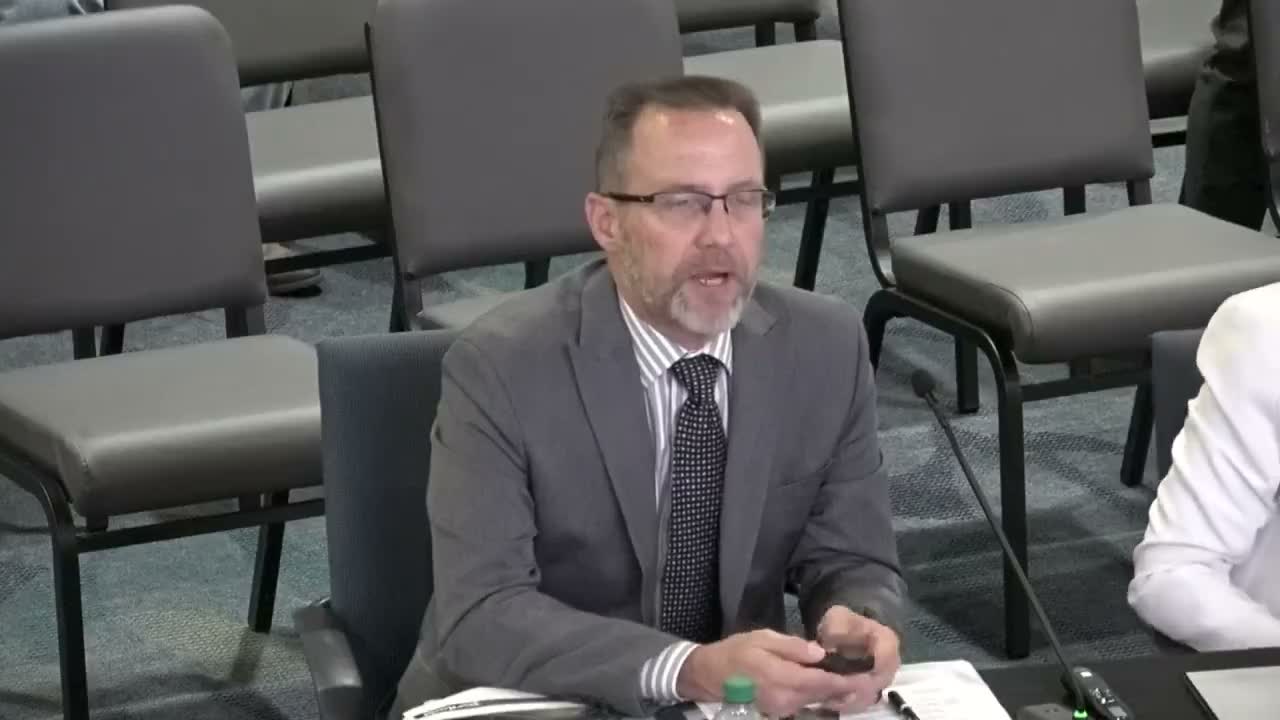
Portland officials informed the City Council on Dec. 17 that the city has entered Stage 3 of its drought contingency plan and is mirroring restrictions announced by the City of Corpus Christi.
Dr. Banks, who presented the briefing, said combined storage in Choke Canyon Reservoir and Lake Corpus Christi was about 19.8% as of earlier that day, putting the system into the “critical” category. He said Stage 3 aims to reduce water consumption by approximately 30% and that the city must reach the next higher cumulative storage threshold before downgrading stages.
The Stage 3 rules Portland is enforcing mirror Corpus Christi’s measures: indoor use remains unaffected, but nonessential outdoor water uses are curtailed. Allowed uses under Stage 3 include filling pools and hot tubs, limited watering for foundation protection on recycling days, vehicle washing at commercial car washes that recycle water, and watering required new plantings at construction sites. Prohibited activities include lawn and yard watering, home vehicle washing, and decorative fountain use. Dr. Banks warned that violations can carry fines up to $500.
Dr. Banks described near‑term and longer‑term responses the region is pursuing. Corpus Christi is expanding the Mary Rhodes pipeline to boost imports from the Colorado River and Lavaca‑Navidad basins, increasing current flow capacity (presently between about 34 million and 46 million gallons per day) to a design capacity near 72–79 million gallons per day. That pipeline upgrade is expected in spring–summer 2025. The county and city are also considering desalination and groundwater development as longer‑term options.
Council members asked about enforcement timing; Dr. Banks said the city would take an initial educational approach and not begin active enforcement until Jan. 1, with warnings issued first and citations later if violations continue.
City staff said the city will continue coordination with Corpus Christi and San Patricio Municipal Water District and will post details about banned uses, fines and any billing surcharges on the city website and social media.
The council did not take a vote on the briefing; it served as an informational update and Q&A. The city will publish guidance for residents and monitor reservoir and rainfall conditions through the spring.