
Gunter planning commission tables temporary concrete batch-plant request after residents cite health, zoning and traffic concerns
Get AI-powered insights, summaries, and transcripts
Subscribe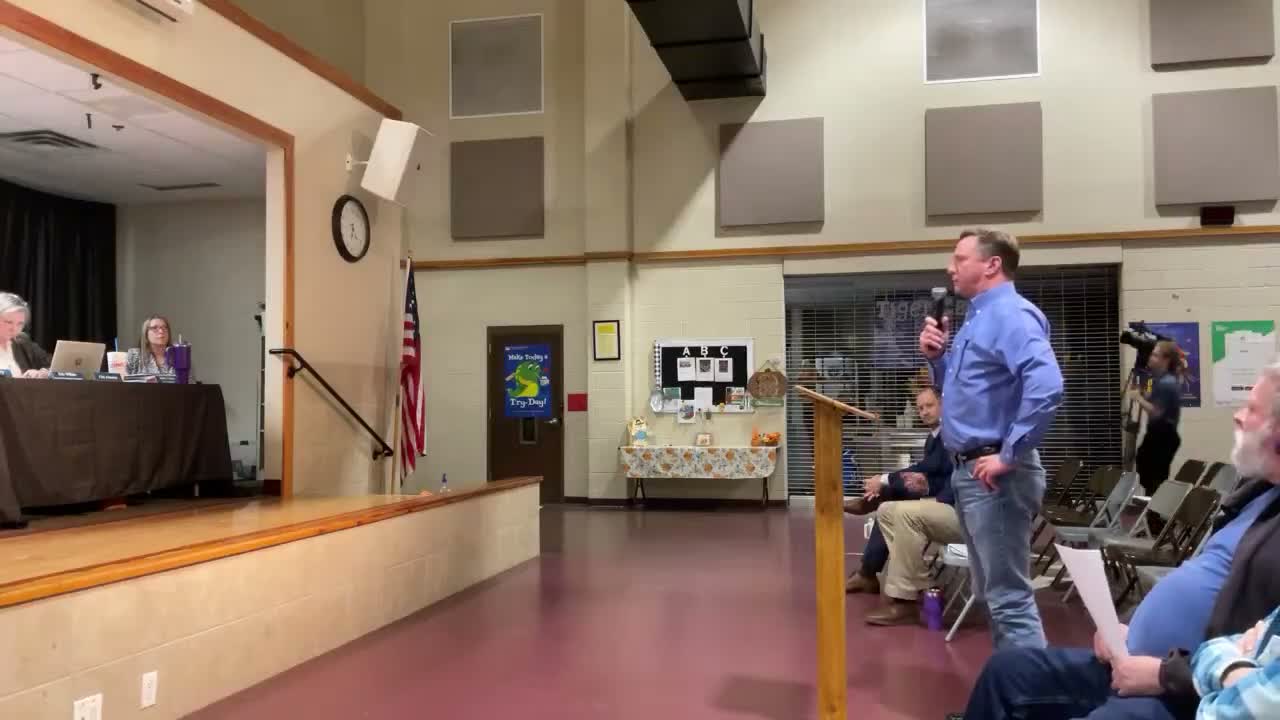
Summary
After a lengthy public hearing, the Gunter Planning & Zoning Commission tabled a developer’s request to place a temporary concrete batch plant on subdivision land, citing resident concerns about air quality, setbacks and clarity on operating limits; staff and the mayor said permits and inspections would be used to enforce time and operational conditions.
The Gunter Planning & Zoning Commission on Nov. 21 paused action on a developer’s request to install a temporary, portable concrete batch plant inside a planned‑development subdivision after residents raised health, zoning and traffic concerns and commissioners asked staff for additional clarifications.
At a public hearing that drew more than a dozen speakers, nearby residents said the proposed on‑site plant could harm air quality, noise levels and neighborhood character. “This batch plant will have air contaminants that affect our health and will absolutely interfere with the normal use and enjoyment of our property,” said resident Lindsay Garrett of 1101 Stonebridge Pass, citing respiratory problems in her household and disputing assurances the operation would be temporary.
The presentation from the developer and its representative described a portable, enclosed batch plant with a filtration system for cement handling, a typical height of about 32 feet and a production window the presenter estimated at 6–10 production days (with setup and teardown extending presence to roughly 2–3 weeks, weather permitting). The applicant estimated the job would require about 5,700 cubic yards of concrete; at roughly 10 cubic yards per truck, that equates to on the order of 570 truckloads, the presenter said.
Several residents challenged elements of the proposal. Paul Walker of Stonebridge Pass noted a slide showing the baghouse exhaust approximately 100 feet from the property line and asked how efficient the dust collection would be. “That doesn’t sound very far or very efficient,” Walker said. Carolyn Desmond urged the commission to enforce section 25.7 of the city zoning ordinance, arguing that manufacturing, storage or warehousing of concrete is expressly prohibited in a planned‑development district.
City staff said the draft ordinance and permit conditions under consideration could set specific operating hours (staff suggested Monday–Friday, 7 a.m. to 6 p.m., and Saturday 7 a.m. to 5 p.m.) and a finite duration, and that third‑party civil inspectors would conduct project inspections. “If they don’t follow the conditions, inspections would stop and they could not proceed with subdivision acceptance,” staff said. The mayor and other council members argued that on‑site batching can improve mix consistency and give the city more control than relying on off‑site deliveries.
The mayor also sought to lower concerns about revenue motives, saying, “The tax revenue is the least of our concerns. I don’t care if we get it or not,” and stressing that permit terms, inspections and a time‑limited authorization would be enforcement mechanisms; staff said an issued permit would expire and vendors must remove equipment within seven days of expiration.
After hearing public comment and asking staff to provide more detail on operating limits, setback measurements, filtration performance, expected truck types and a date‑certain duration, the commission voted to table the application to the next Planning and Zoning Commission meeting to allow those clarifications to be prepared. The public hearing remained open while staff and the applicant gathered answers.
Next steps: the item will return to the PNC for further review with the requested technical clarifications and any proposed ordinance conditions; no permit was granted at the Nov. 21 meeting.