Get Full Government Meeting Transcripts, Videos, & Alerts Forever!
Get email alerts on the Code Enforcement topic
No spam. Unsubscribe anytime.
Wheeler reviews Chapter 91 rewrite to tighten nuisances, signage and enforcement
Summary
At a July 9 workshop, Wheeler officials reviewed a draft rewrite of Chapter 91 that would consolidate sign rules, clarify nuisances, tie penalties to a fee schedule and strengthen enforcement tools including liens; council set a follow-up meeting and asked for legal review of firearms and court provisions.
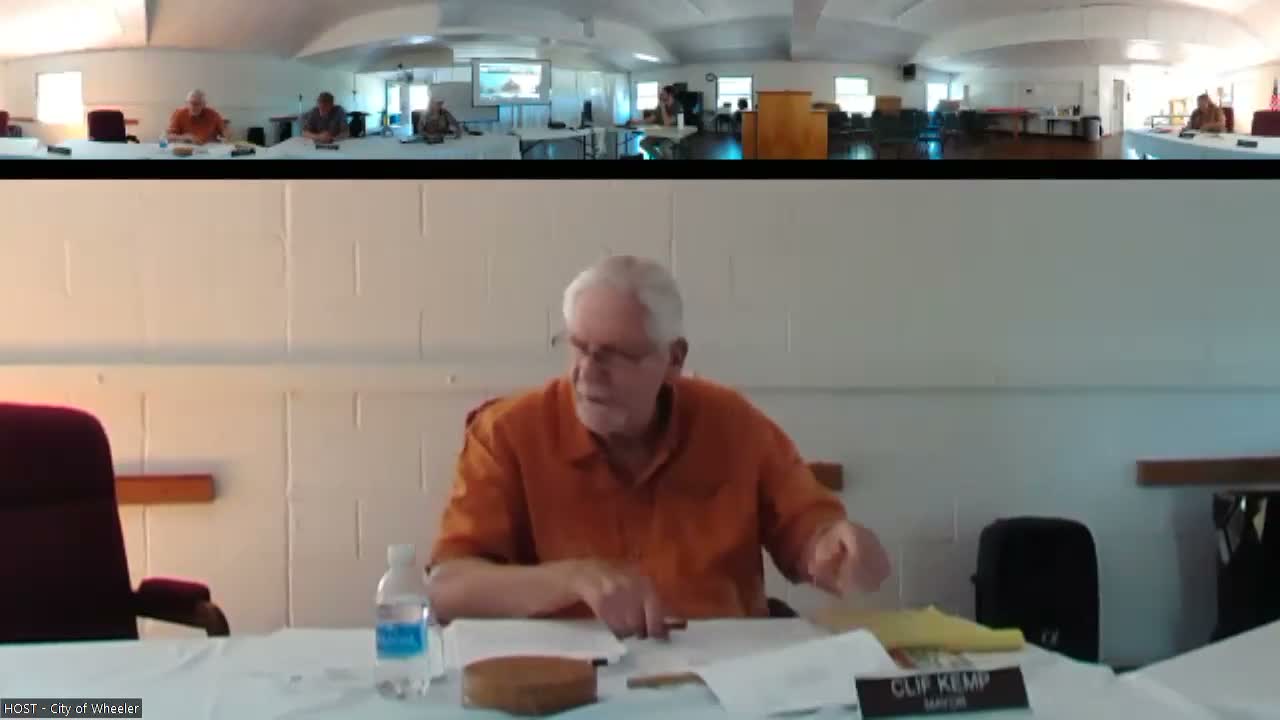
Wheeler city officials met in workshop on July 9, 2024, to review a draft rewrite of Chapter 91 of the city code, a package of proposed changes aimed at clarifying nuisance standards, sidewalk and signage rules, and enforcement procedures. Participants said the rewrite is based on an Astoria template and would be coupled with Chapter 36 (code enforcement) and a one-page Oregon Uniform citation form for officers.
The draft would centralize sign rules (including A-frame and hanging signs), require that sidewalk displays preserve a 3.5-foot ADA pedestrian path, and direct that all cross-referencing documents point to a single authoritative code. "We need to get through the documentation and this Chapter 91 and be in agreement on that," a participant said, urging a single, consistent document for businesses and enforcement staff.
Committee members debated whether specifics such as permit fees and fine amounts should be embedded in the ordinance or referenced to a separate fee schedule. The draft includes a restitution cap of $2,500 and a cited maximum infraction amount of $1,000; speakers recommended moving dollar figures to a fee schedule so adjustments could be made without amending the ordinance each time.
The group discussed several code sections that touch on everyday downtown activity: A-frame signs, sidewalk displays, hanging signs, merchants’ temporary displays and pop-up vendors. Staff recommended tabling issuance of new A-frame permits until the revised code is finalized so all businesses are treated consistently. On sidewalk displays the workshop referenced a 3.5-foot minimum pedestrian clearance and said signage must not obstruct ADA routes.
Animal-control and property-maintenance provisions drew particular attention: the draft reiterates a duty to license dogs, addresses "dogs at large," and proposes clearer criteria for derelict or vacant buildings. Members proposed adding specific language about fire hazards and preserving a 12-inch height limit for weeds and noxious vegetation in public-rights-of-way while allowing for managed ornamental plantings if they are irrigated and kept away from structures.
The council also considered how to handle unauthorized signs on private property and recalled an informal paper that appeared to shift liability to permittees; they agreed to locate or discard that document and rely on formally passed code and letters supported by photographs when enforcing violations.
Why it matters: committee members said clearer, consolidated code language and a linked fee schedule would give Wheeler the tools to pursue chronic property neglect, put liens on delinquent properties and reduce the ad hoc circulation of multiple, inconsistent code copies.
Next steps: the council scheduled a continuation of the workshop for Thursday at 10 a.m., asked staff to circulate a clean copy of the draft and requested legal review on specific items — notably restrictions about firearms in public buildings and the interplay between locally prescribed prohibitions and state law.
There were no formal votes taken during the session; members treated the meeting as a working review and a policy drafting step ahead of a public ordinance process.