Get Full Government Meeting Transcripts, Videos, & Alerts Forever!
Get email alerts on the Zoning Code Rewrite topic
No spam. Unsubscribe anytime.
Stratford Zoning Commission previews major rewrite, commissions direction on density and rules
Summary
At an Aug. 14 work session, the Stratford Zoning Commission reviewed a first draft of a consolidated zoning code and gave staff direction to pursue allowing three‑unit homes in the RM1 multifamily zone, consider reduced lot‑area rules and to align several commercial rules with state law. Public workshop set for Sept. 11.
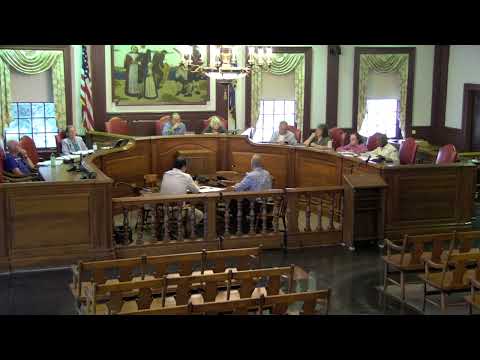
The Stratford Zoning Commission met Aug. 14 for a special administrative work session to review the first draft of a major rewrite of the town zoning regulations, a staff presentation said.
Chair Harold Watson called the meeting to order and introduced staff and consultants, including Planning & Zoning Administrator Jay Abanski and consultant Robert Collins, who said the rewrite condenses the town’s code from 32 sections into seven and updates language to be consistent with state statutes.
Consultants asked for direction on seven targeted questions in the draft. On housing density in the RM1 (multifamily) district, staff proposed allowing 1‑, 2‑ and 3‑family dwellings as of right and lowering lot‑area requirements. After discussion about parking, neighborhood scale and housing supply, commissioners agreed to “move forward” with exploring an allowance for up to three units in RM1 and to ask staff to draft language lowering the lot‑area requirement from the current 5,000 square feet per unit to a proposed 3,750 square feet per unit. Harold Watson said the change could legalize existing, often illegal, multiunit conversions and “get them doing something right.”
The commission also reviewed proposed modifications for commercial zones. Staff recommended adding a 25% maximum building coverage for the Retail Commercial Neighborhood (CNC) district near Bridal Landing; staff noted the existing built footprint on the site is roughly 10% and that 25% is consistent with other commercial zones. Commissioners debated whether 25% or 30% was preferable but did not adopt a final number.
On moratoria language, staff proposed removing a fixed 24‑month expiration so moratoria would remain in effect until the town changes them. Commissioners were split: some preferred no expiration to reduce administrative burden; others insisted on retaining a 24‑month sunset for predictability. Staff said legal counsel will review options.
Several commercial and administrative changes were also discussed: moving grocery‑store beer permits to administrative approval, aligning cannabis signage and siting language with state law, and adding technical standards for electronic message signs intended to limit distraction and light pollution. Staff proposed limits including a 7,500‑nits maximum and a minimum 10‑second display time for message changes.
Staff scheduled a public workshop for Sept. 11 to solicit resident comment before the commission completes detailed workshops and formal adoption steps. The meeting concluded with approval of the minutes and adjournment.
What’s next: staff will revise the draft based on tonight’s direction, circulate materials for the Sept. 11 workshop, and return to the commission for further review. The commission did not take any formal ordinance votes at the Aug. 14 session; it recorded verbal consensus on several drafting directions.