Get Full Government Meeting Transcripts, Videos, & Alerts Forever!
Get email alerts on the Zoning Rewrite topic
No spam. Unsubscribe anytime.
Stratford zoning commission nears final draft of code rewrite; administrative approvals, public hearing next
Summary
The Stratford Zoning Commission reviewed a largely reformatting-focused redline of the townzoning code and discussed limited substantive changes, new notification procedures, and next steps including a public‑hearing review period. Staff said some routine approvals will move to administrative review to speed permitting.
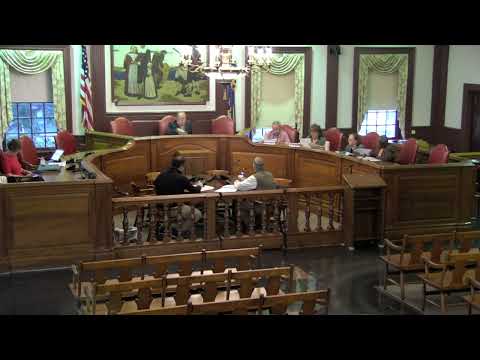
The Stratford Zoning Commission on Oct. 1 reviewed a redlined rewrite of the townzoning regulations intended to reorganize and clarify existing rules while leaving zoning districts largely unchanged. The commissionheld a special administrative work session to walk section by section through the proposed code.
Consultant remarks emphasized that the bulk of the update is organizational rather than substantive: "We didn't change any kind of zoning districts. We didn't change any zoning on a property," a presenter said, adding most revisions are relocations or clarifications. Commissioners were shown a redlined draft and a clean version posted on the town website for further review.
Why it matters: Town staff said the rewrite is intended to make the code easier to use for property owners, staff and developers, consolidating scattered material (for example, moving repeated fencing rules into a single fencing section) and adding definitions where terms were previously undefined. The rewrite also creates new, narrowly tailored sections where state law or plan recommendations require it.
Key procedural changes: Staff and the commission agreed some routine matters will be handled through administrative review by Planning & Zoning rather than awaiting a regular commission meeting. Chair Harold Watson noted that change does not broadly reduce the commission's authority but transfers day‑to‑day decisions on identified items to staff so the commission can focus on larger policy items. The draft also formalizes notification procedures now followed in practice: abutter mailings, sign postings on properties, and newspaper notices.
Public process and next steps: Consultants and staff said the commission could reach a final draft at a future meeting, after which the draft will be posted, sent to adjacent jurisdictions and agencies for review, and referred to a formal public hearing period as required by Town and state rules. "Theres plenty of time to continue to review" during that process, a consultant said. Commissioners were encouraged to submit minor non‑substantive comments by e‑mail and reserve substantive amendments for the hearing process.
Context and caveats: Several commissioners asked staff to ensure relocated language remains discoverable (for instance, when requirements are moved from a district description into a consolidated section). Staff said they maintain an internal mapping showing where struck‑through material was relocated, and the clean version on the website is intended for readability.
What comes next: The commission asked staff and the consultant to compile comments received and circulate a near‑final draft. A public hearing and formal referral period will follow before any final adoption vote.