Get Full Government Meeting Transcripts, Videos, & Alerts Forever!
Get email alerts on the Transit Authority Oversight topic
No spam. Unsubscribe anytime.
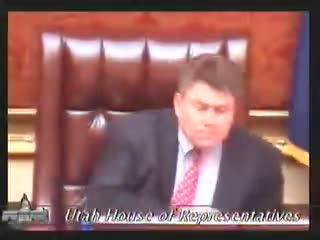
House rejects substitute to add legislative appointees and duties to UTA board after lengthy debate
Summary
The Utah House debated substitute House Bill 188, a package of changes responding to a legislative audit of the Utah Transit Authority that would add legislative appointees and new board duties; the measure failed 30–38 after amendment and extended debate.
The Utah House of Representatives debated and ultimately rejected a substitute to House Bill 188 on Feb. 27, 2008, a bill that would have implemented several recommendations from a legislative performance audit of the Utah Transit Authority. Representative Wayne Harper, sponsor of the measure, said the bill was designed to support UTA’s mission by clarifying appointment terms, adding three appointed trustees (one each appointed by the House Speaker, Senate President and the Governor), and expanding the board’s duties to include clearer public reporting, long‑range planning and oversight of ridership counts and fares.
Harper told members that the audit identified “very good strengths and things that UTA is doing correctly” and listed specific areas for improvement. “If you take a look at Page 93 and 94 that talks about the unique status of UTA serving 79% of population, operating budget of $200,000,000,” Harper said in summation, arguing the state might prudently provide more state‑level oversight of the agency.
The House adopted a sponsor‑offered amendment emphasizing that the board should ‘‘pay very strict attention to the goal of improving air quality,’’ an amendment Representative Allen described as responding to Chapter 6 of the audit, which found transit provided congestion benefits but not measurable air‑quality improvements. Representative Allen’s amendment (Amendment No. 1) was accepted by the sponsor and passed on a voice vote.
Several members expressed reservations that the bill was overly prescriptive. Representative Hughes, who disclosed serving as a UTA board member during his remarks, said the board had taken corrective action on passenger counts and other issues and cautioned that the bill’s tone could be unduly harsh toward an agency he described as a “flagship” transit authority. “I have always found my concerns met with in a serious way,” Hughes said, while urging members to consider the board’s governance role rather than micromanagement.
Other lawmakers split along oversight and constituent‑service lines. Representative Wiley pressed the House to consider accessibility impacts, saying constituents who are elderly or physically challenged had lost service and that accountability measures were warranted. Representative Hansen argued adding legislative representatives and a governor appointee would improve oversight of federal and other appropriations, citing a $250,000 federal grant routed through UTA for a gondola study as an example.
After the previous question was called to end debate, the House took a final vote. Clerk results showed 30 yes and 38 no, and the substitute to House Bill 188 failed and was filed. There was no additional formal action on the measure recorded in the session.
The chair and members indicated the bill followed the auditors’ recommendations and that further discussion and negotiation with UTA could continue outside the third‑reading vote, but as of the session the House did not pass the substitute.
The House adjourned for the day; committee and sponsor discussions may continue before any future action on related legislation.