Lifetime Citizen Portal Access — AI Briefings, Alerts & Unlimited Follows
House approves measure defining "complex" public buildings, tightening structural-engineer requirement
Loading...
Summary
The Utah House passed Senate Bill 200, which narrows what qualifies as a "complex structure" so structural engineers — not general professional engineers — must design very large, public-facing buildings; sponsors framed the change as a public-safety clarification. The bill passed 44–24.
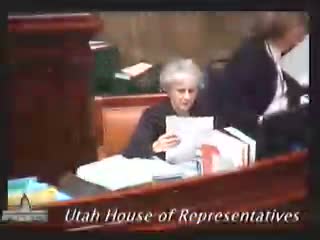
The Utah House on March 3 passed Senate Bill 200, a narrow rewrite of the professional-engineering statute that defines which projects require a licensed structural engineer and thereby limits when a general professional engineer may serve as the design approver for complex public buildings.
Sponsor Representative Wynne told the House the change is intended to protect public safety by clarifying the current statute’s vagueness about what constitutes a "complex structure." Wynne said the measure targets very large, essential buildings and ensures schools, hospitals, and emergency facilities receive review by structural engineers. "This really is an issue of public safety," Wynne said in floor remarks.
Representative Sandstrom, who said he is an architect, said earlier concerns about grandfathering and scope were addressed through amendments and urged support, noting that "right now as we stand, schools are being designed with structural engineers" and the bill ‘‘assures that in the future this practice continues." Building-official testimony on the floor also supported the clarification, arguing the change will reduce costly plan reviews and ensure licensed, qualified designers lead projects.
The House voted to pass the bill, with the clerk announcing "Senate Bill 200, having received 44 yes votes, 24 no votes, passes this body and will be signed by the speaker and referred to the senate for the signature of the president." The measure will be enrolled and returned for executive signing as the Legislature's enrollment process continues.
The bill’s backers characterized the change as a technical, safety-driven clarification rather than a broad restructuring of licensing authority; opponents raised questions during floor debate about scope and grandfathering that were addressed in amendment text and sponsor responses. The next procedural step is enrollment and transmittal for the speaker’s and president’s signatures.