Get Full Government Meeting Transcripts, Videos, & Alerts Forever!
Get email alerts on the Legislative Apportionment topic
No spam. Unsubscribe anytime.
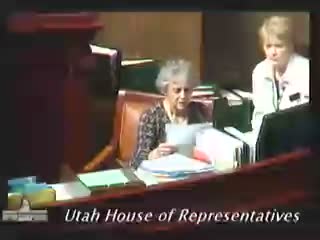
Utah House approves constitutional amendment to align reapportionment timing with census data
Summary
The House passed Senate Joint Resolution 5 to amend legislative apportionment timing so the Legislature can act in the next regular session after census data are available rather than calling a special session, passing the measure 67–0.
The Utah House of Representatives on the morning floor passed Senate Joint Resolution 5, a proposed constitutional amendment to clarify the timing for legislative apportionment following receipt of census data. Representative David Clark, the House sponsor, said the change "corrects a gap in the date period right now between when we constitutionally have to have these numbers and when we receive them."
The resolution arose from repeated practical problems in previous cycles, lawmakers said. Representative Lockhart told colleagues the measure is intended to allow the Legislature to act in the next regular session after the census data are received "so it will actually make it so it might be 2 or 3 months later than we would currently do it" rather than requiring a special session. Supporters characterized the amendment as procedural: "this is just a corrective function for us going forward," Clark said.
After brief questions from Representatives King and others about when data arrive and why a constitutional fix is needed, the House opened voting. The roll call recorded 67 yes, 0 no, and the resolution will be signed by the Speaker and returned to the Senate for the President's signature.
The measure amends the state constitution to align required apportionment deadlines with the practical timing of census data delivery; it does not change the substantive process for drawing districts. The next procedural step is final signatures and enrollment before the amendment could proceed under the constitutional amendment process specified in state law.