Get Full Government Meeting Transcripts, Videos, & Alerts Forever!
Get email alerts on the Legislative Floor Actions topic
No spam. Unsubscribe anytime.
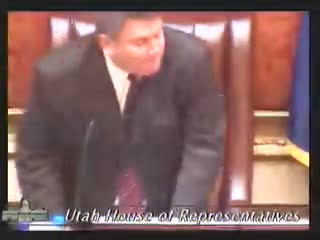
Utah House advances a package of bills on judicial conduct, land use, elections and criminal law
Summary
The Utah House considered and advanced a slate of Senate bills: judiciary and judicial-conduct changes, county and municipal land-use amendments with a 45‑day response timetable, initiative-and-referendum timing changes, and several other bills; many passed on the floor and will be returned to the Senate for signatures.
The Utah House advanced a cluster of Senate bills across multiple policy areas during its floor session.
Judicial conduct: Representative Hendrickson presented First Substitute Senate Bill 191 to modify how the Judicial Conduct Commission handles complaints older than four years, telling the House the commission and other states’ approaches had been reviewed and that changing the statute was preferred; the sponsor invited questions and summation was waived.
Criminal law: Representative Wimmer described Senate Bill 192 (*** offense amendments) and explained it would change the classification of certain sexual conduct involving 16- and 17-year-olds where the older party is 10 or more years older; the House voted to pass the bill, 66–0, and it will be signed by the speaker and returned to the Senate.
Land use: Representative Morley presented Senate Bill 196, described as the third consensus product of a task force that worked with the Property Rights Coalition and the Utah League of Cities and Towns; the bill sets a process for applicants to request that a designated land-use authority accept or reject subdivision improvements and requires the designated authority to respond within 45 days (with exceptions such as winter-weather inspection delays). The bill passed the House 59–3 and will be sent back to the Senate for signature.
Elections and initiatives: Representative Garn and Representative Doran described First Substitute Senate Bill 54, which makes changes to initiative and referendum timing and imposes a single-subject constraint on initiatives; sponsors said the change aims to reduce clerk workload after the state moved its primary earlier in the calendar. The House uncircled and then passed the bill, 69–1.
Other floor actions: First Substitute Senate Bill 236 (judiciary cleanup) and Senate Bill 275 (military justice code amendments) were described as technical or conforming changes and were passed; Senate Bill 265 (unlawful-detainer amendments) was moved to be circled (postponed). Senate Bill 235 (human-remains related amendments), described by Representative Agard as requested by Native American stakeholders to require administrative resolution before any court action when multiple tribes claim remains, passed 67–0.
Procedural notes: The House recorded several committee reports and communications from the Senate, and the Senate appointed conference committees on multiple bills including DUI amendments and property-tax assessment revisions. Many passed bills were signed by the speaker and sent back to the Senate for the president’s signature.
Next steps: Bills passed by the House will be forwarded to the Senate for the president’s signature or to conference committees where the Senate refused to recede from amendments.